
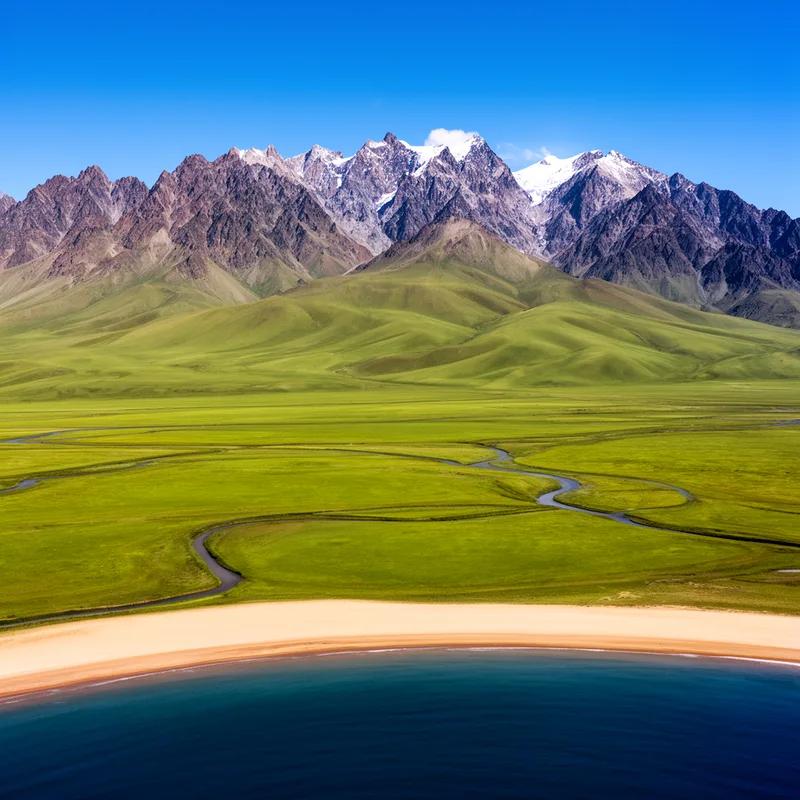
physiographic
- adjective
- /ˌfɪziəˈɡræfɪk/
- Specialized
- Honduras can be roughly and simply divided into three physiographic areas: Caribbean lowlands, Pacific coast, and a mountainous interior.
- physiographic regions
- physiographic features
- physiographic province
Examples
-
The results reveal that the boundaries of vernacular Southwest and Rocky Mountain regions correspond relatively well with boundaries delineated by physiographic characteristics.
Academic text (2018) -
The southeastern section of North America is divided into distinct physiographic regions (Figure 1).
Academic text (2012) -
The hill country of Texas is a physiographic region.
Academic text (1994) -
Locate the Texas hill country using a physiographic map.
Academic text (1994) -
Discussion continued as to the physiographic limit of the Andes.
Academic text (1996) -
Obviously, the very different physiographic compositions of the two countries have led to different emphases.
Academic text (1992) -
Our findings suggest that there may be close overlap between physiographic and cultural subregions of the American West.
Academic text (2018) -
South Carolina's ocean coastline may be divided into two distinct physiographic zones.
Academic text (1991) -
Virginia is composed of three main physiographic regions (from west to east): Mountains, Piedmont, and Coastal Plain.
Academic text (2016) -
The southeastern section of North America is divided into distinct physiographic regions based on its landforms.
Synonyms

 75
3.5
75
3.5

Relating to the land, sea, or places on Earth
 48
3.9
48
3.9
About the land, shape, or location of a place
 5
6.9
5
6.9
Relating to the shape and parts of land, like hills and valleys, shown on maps
 3
6.4
3
6.4
About the shape and features of land shown on maps

About the shape of the land and how it changes

Relating to the shape and features of the Earth's surface

The shape and features of the Earth's surface made by natural forces

How land and rocks get their shape
Surface Forms
Morphology
physiographic = physiography (semi-transparent) = physiography + ic
Regular adjectival formation by adding '-ic' to the noun 'physiography'.
Etymology
Physiographic comes from the parts physio- meaning 'nature' and -graphic meaning 'to draw or describe', like in physical and geographic. So, it means describing the natural shape and features of the land.