
phylum Sipuncula
- noun
- /ˈfaɪləm sɪˈpʌŋkjʊlə/
- Specialized
 :
filo Sipuncula
:
filo Sipuncula
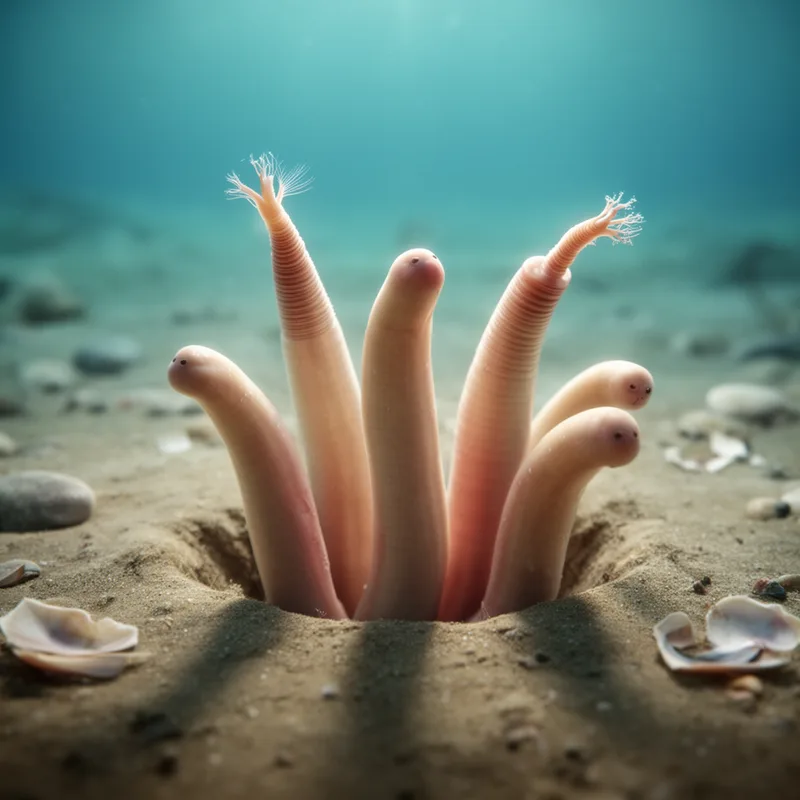
- The phylum Sipuncula consists of soft-bodied, unsegmented worms commonly known as peanut worms.
Examples
-
The phylum Sipuncula is known for its retractable introvert, which helps peanut worms burrow into the sea floor.
-
Scientists studying marine biodiversity often encounter members of the phylum Sipuncula during deep-sea expeditions.
-
Students learned that the phylum Sipuncula plays a vital role in benthic ecosystems.
-
The phylum Sipuncula includes various species of peanut worms.
-
Did you know that phylum Sipuncula is found in oceans worldwide?
-
Marine researchers often study the phylum Sipuncula to understand unique adaptations of these unsegmented worms.
-
In marine biology classes, students often explore the characteristics of the phylum Sipuncula and its ecological significance.
Synonyms
A small sea worm that pulls its front end into its body and looks like a peanut

A small sea worm that pulls its front part into its body and looks like a peanut
Surface Forms
Morphology
The meaning is directly compositional: 'phylum' names a biological rank and 'Sipuncula' identifies the taxon (peanut worms), so the phrase simply denotes the phylum that contains those worms. This taxonomic naming pattern is regular in scientific language and cross-linguistically transparent, so a B1 learner who knows both constituents can infer the MWE meaning.
Etymology
Phylum Sipuncula probably gets its name from how these soft sea worms look when they pull their head inside; they become short and round like a little peanut, so people call them 'peanut worms'. That's why phylum Sipuncula refers to a group of soft, unsegmented sea worms with a head that can be pulled in.

