
phosphatidylcholine


 1
9.4
- noun
- /ˌfɑs.fəˌtaɪ.dəlˈkoʊ.lɪn/
- Specialized
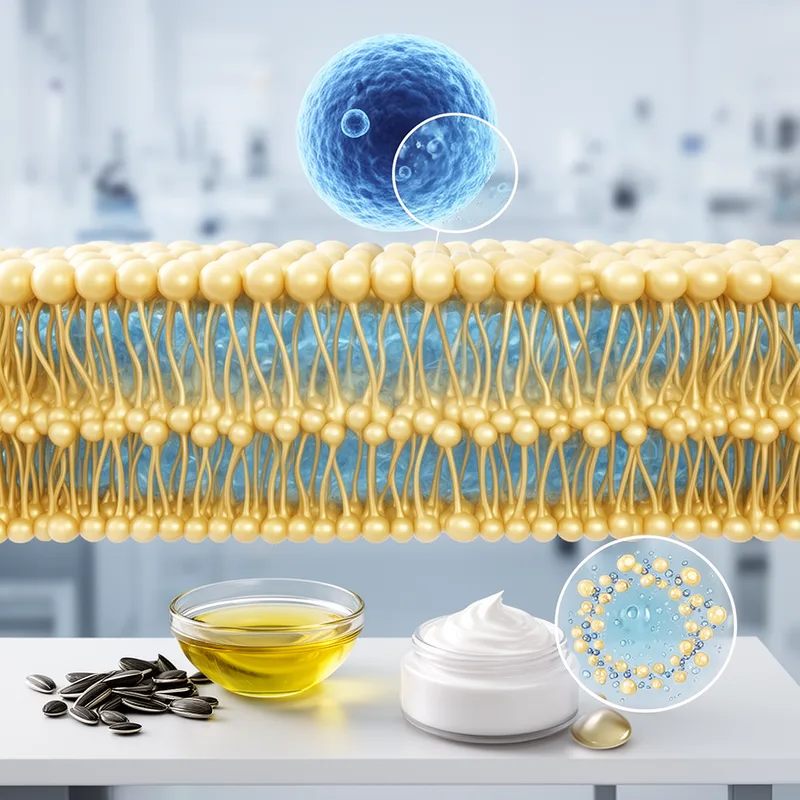
- The phosphatidylcholine molecule is crucial for cell membrane integrity.
- phosphatidylcholine (PC)
Examples
-
Many supplements contain phosphatidylcholine for improving brain health.
-
In many cosmetic products, phosphatidylcholine serves as a crucial ingredient for improving skin hydration.
-
Scientists used phosphatidylcholine to create stable liposomes for the new vaccine.
-
The cell membrane contains a high concentration of phosphatidylcholine molecules.
-
Many supplements advertise phosphatidylcholine for its potential benefits to liver health.
-
Phosphatidylcholine is an essential component of phosphatidylcholine and is often used in dietary supplements.
-
Research shows that phosphatidylcholine can help support liver function when taken as a supplement.
Synonyms
 16
4.4
Fats and oils that do not mix with water and help build cell membranes
 1
7.7
A fat-like molecule that makes up cell membranes
Surface Forms
Morphology
Etymology
Phosphatidylcholine comes from two parts: phosphate ('a chemical containing phosphorus') and choline ('bile', the name of a simple nutrient). So a phosphatidylcholine is a fat molecule with a phosphate 'head' (the choline) and fat 'tails', and that is why it helps make cell membranes and is used in foods and cosmetics.