
phorid


 1
9.9
- noun
- /ˈfɔrɪd/
- Specialized
- This action allows the phorid flies to easily attack and parasitize them.
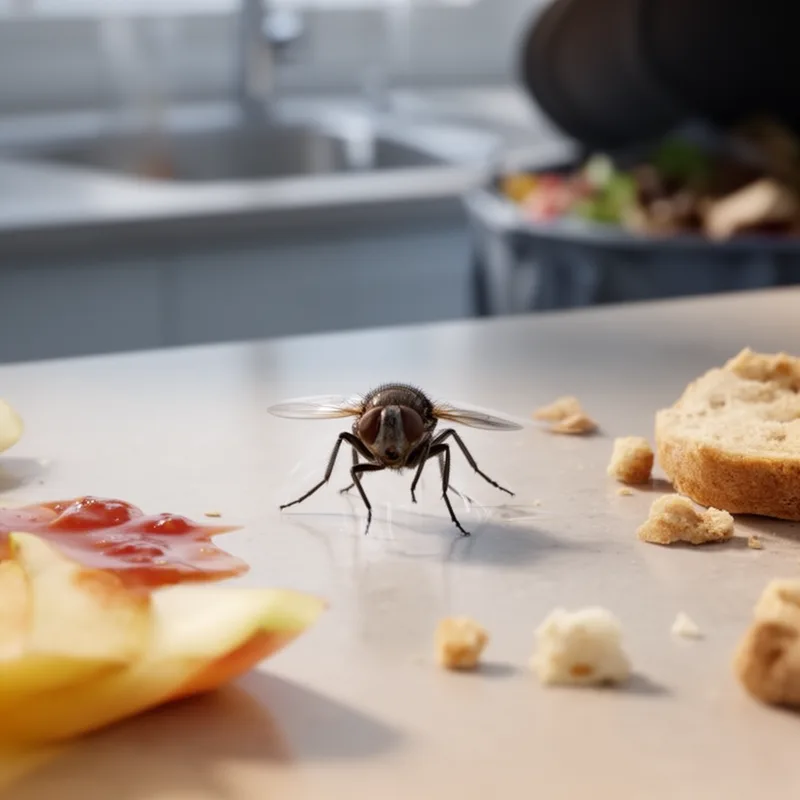
- phorid fly
Examples
-
The fire ant has good reason to avoid the phorid.
Academic text (1994) -
Postdoctoral researcher Larry G. Thead reared thousands of phorid flies for research and field releases.
Academic text (2004) -
Those scientists working on the phorid fly project agree that releasing the fly will not completely eliminate the need for other control methods.
Academic text (1994) -
Other researchers also have their doubts about the effectiveness of the phorid flies.
Academic text (1994) -
Phorid flies lay their eggs on or into the ant's thorax or head, depending on the species.
Academic text (1994) -
Fire ants face a nasty natural enemy in the phorid flies from the genus Pseudacteon.
Academic text (2004) -
Fire ant decapitating phorid flies from the genus Pseudacteon are natural enemies of imported fire ants.
Academic text (2003) -
"We're very excited about the dispersal rate," says Thead. "Not only are the phorid flies attacking and parasitizing the ants, they are harassing them."
Academic text (2004) -
The fly would be released on the edge of the imported ant's range in Texas to evaluate the effectiveness of phorids in shifting populations back towards native ants.
Academic text (1994) -
The researcher studied the behavior of the phorid flies in their natural habitat.
Surface Forms
Morphology
phorid = phor + id
The noun is a technical name for a member of the family Phoridae; the morphemic parts are not productive/common English elements and do not transparently indicate meaning to typical learners.
Etymology
Phorid is named after the family Phoridae, using the Greek root phor meaning 'to carry', which also appears in metaphor. A helpful way to remember it is to picture a tiny, fast 'scuttle' fly from that family, so phorid means one of those small humpbacked flies.