
phonologic
- adjective
- /ˌfoʊnəˈlɒdʒɪk/
- Specialized
- First, phonological interventions have a linguistic/phonologic emphasis in contrast to the motor/articulation emphasis of traditional intervention (Bernthal, Bankson, & Flipsen, 2009).
Loading YouTube…
Watch on YouTubeEach accomplished dyslexic has developed her own route around her phonologic deficit.
- Each accomplished dyslexic has developed her own route around her phonologic deficit.
Examples
-
Youth with or at risk of E/BD need early intervention focused on phonologic and other language abilities.
Academic text (2013) -
Tobias et al. reported a patient with progressive bilateral hearing loss that was cortical in origin, as indicated by phonologic errors consistent with abnormalities in central language processing.
Academic text (2004) -
Each accomplished dyslexic has developed her own route around her phonologic deficit.
-
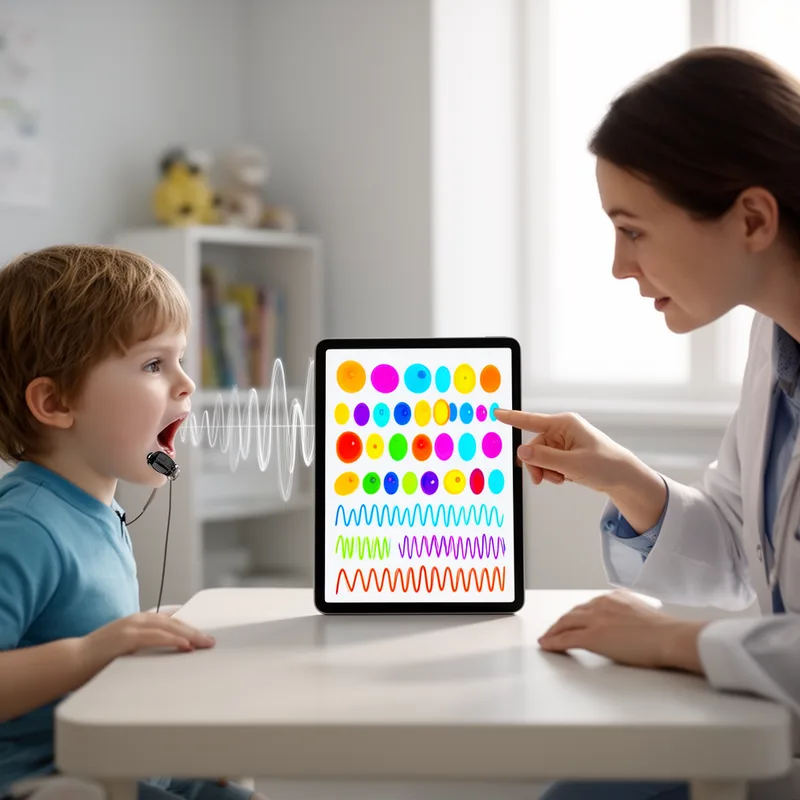
The therapist focused on phonologic awareness to help the child improve their speech.
-
Developing phonologic skills is crucial for effective reading and writing.
-
Understanding the phonologic patterns of a language can greatly aid in language acquisition.
Synonyms

 1
7.5
1
7.5

About how sounds work in a language
Compounds

Surface Forms
Morphology
Etymology
The word phonologic begins with phon- meaning 'sound' or 'voice', the same root you see in phone. The ending -logy means 'study', so phonologic is about the study or system of a language's speech sounds.