
philologically


 1
9.6
- adverb
- /ˌfɪləˈlɑːdʒɪkli/
- Formal
- It appears to have been a philologically sensitive replica of the historical statue described by Eusebius and others through to the Golden Legend.
Examples
-
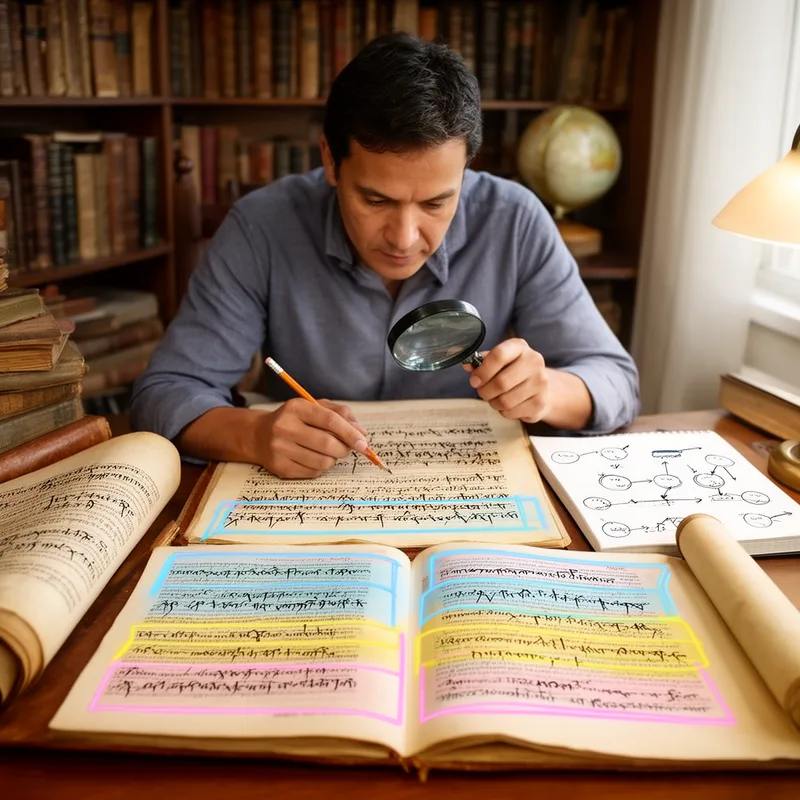
Linguists analyze ancient texts philologically to trace their linguistic evolution.
-
The first thing we needed to do was distinguish between methods of reading literary texts philologically and methods of reading texts culturally.
Academic text (2003) -
The school is thus both a model and a method, with the "New" referring to the innovation of emphasizing native roles in colonial history through the study of native-language sources (the model) and of analyzing those sources philologically (the method).
Academic text (2003) -
We prefer, say the philologically inclined, the genesis of every text to its exegesis, the certitudes of given signs to the hazards of mysterious messages, the combinations of shadows in the Cave to the uncertain appeals from Outside!
Academic text (1994) -
To understand the text better, we studied it philologically, focusing on its historical context.
-
The professor explained philologically how the word's meaning has changed over centuries.
Synonyms
 3
5.1
In a way that has to do with language or its study
How Scholarly

Surface Forms
Morphology
philologically = philological (transparent) = philology + ical + ly
A regular adverb formed from the adjective 'philological' using the productive suffix '-ly'; the chain philology → philological → philologically is straightforward.
Etymology
Philologically comes from the Greek parts philo- ('love') and logos ('word' or 'study'), the same roots you see in philosophy. So, to look at something philologically is to study it with a love of words, focusing on language and its history.