
phenylhydrazine


 1
9.9
- noun
- /ˌfɛnəlhaɪˈdræziːn/
- Specialized
- The lab used phenylhydrazine for its experiments.
Examples
-
The chemist added phenylhydrazine to the solution to test for the presence of sugars.
-
In the experiment, phenylhydrazine was used to prepare a derivative for analysis.
-
Proper safety equipment is required when handling phenylhydrazine in the laboratory.
-
Have you ever worked with phenylhydrazine in your research?
-
In the laboratory, researchers used phenylhydrazine to enhance the detection of certain biochemical compounds.
-
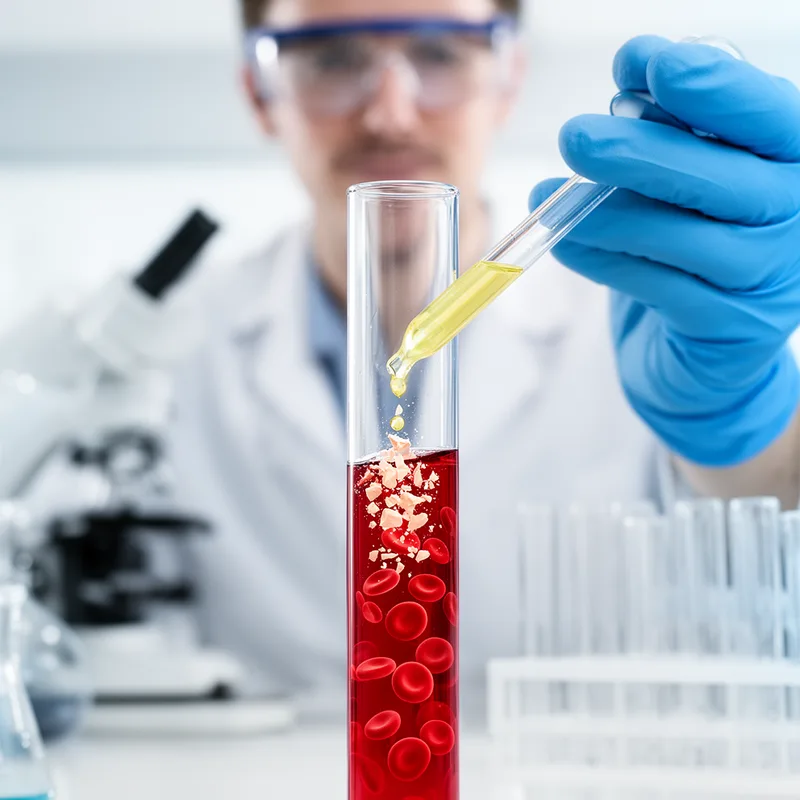
The scientist conducted an experiment to observe the effects of phenylhydrazine on red blood cells in vitro.
-
After adding phenylhydrazine to the samples, the team noted a significant change in the color of the solution.
Surface Forms
Morphology
Etymology
Phenylhydrazine combines two parts: phenyl, a common chemical name for a 'ring' group found in many molecules, and hydrazine, the name for a small, very 'reactive' nitrogen compound. So the name tells chemists it is a hydrazine with a phenyl ring attached, which helps explain why it reacts with sugars in lab tests and must be handled carefully.