
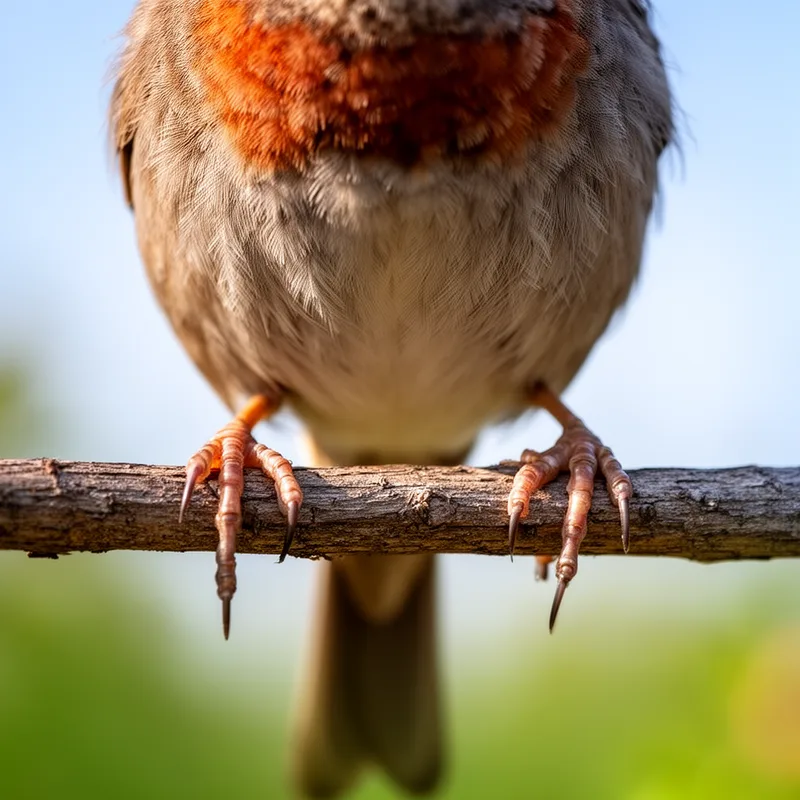
perching bird
- noun
- /ˈpɜrʧɪŋ bɜrd/
- Specialized
- Of the factors potentially explaining this pattern, the relative abundance of passerine or perching birds to nonpasserine birds was the most important explanatory variable.
- passerine birds
Examples
-
I estimate that twenty-four out of forty-two families of passerine (perching) birds include species dependent on silk for nest building.
Academic text (1994) -
They're both perching birds, of course.
-
During migratory stopovers, some perching birds gain weight at the rate of 10 percent of their body weight per day.
Academic text (1993) -
A scarecrow covered with flocks of ignorant, careless, selfish, lazy, perching birds.
Blog text (20) -
The bowerbirds are a monophyletic family of passerines (perching birds) consisting of eighteen species in eight genera whose distribution is limited to New Guinea and Australia.
Academic text (2004) -
Many colorful perching birds can be seen resting on tree branches in the forest.
-
The park is home to various perching birds, known for their ability to grasp branches with their feet.
-
We watched the perching birds as they hopped from branch to branch in search of food.
Synonyms

 ∞
1.0
∞
1.0

A warm-blooded animal with feathers, wings, and a beak that usually flies

 1
9.8
1
9.8
A small bird like a sparrow or finch that sits on branches

A small or medium bird like a robin that sits on branches and often sings

A bird that sits on branches using its feet to hold on, like a robin

An old name used by scientists for birds with feet for perching, like songbirds
How Aerial

Surface Forms
Morphology
The meaning is compositionally built from 'perch' (to sit/rest on a high place) + 'bird' and straightforwardly denotes a bird that perches or has feet adapted for perching. This participial modifier pattern is common and cross-linguistically transparent, so an average B1 learner who knows the constituent words will understand the MWE.
Etymology
Perching bird comes from the simple picture of a bird that perches: it sits on a branch and uses special feet that grip the branch. So the name means a bird made 'to perch', which explains why we call these birds 'perching birds'.