
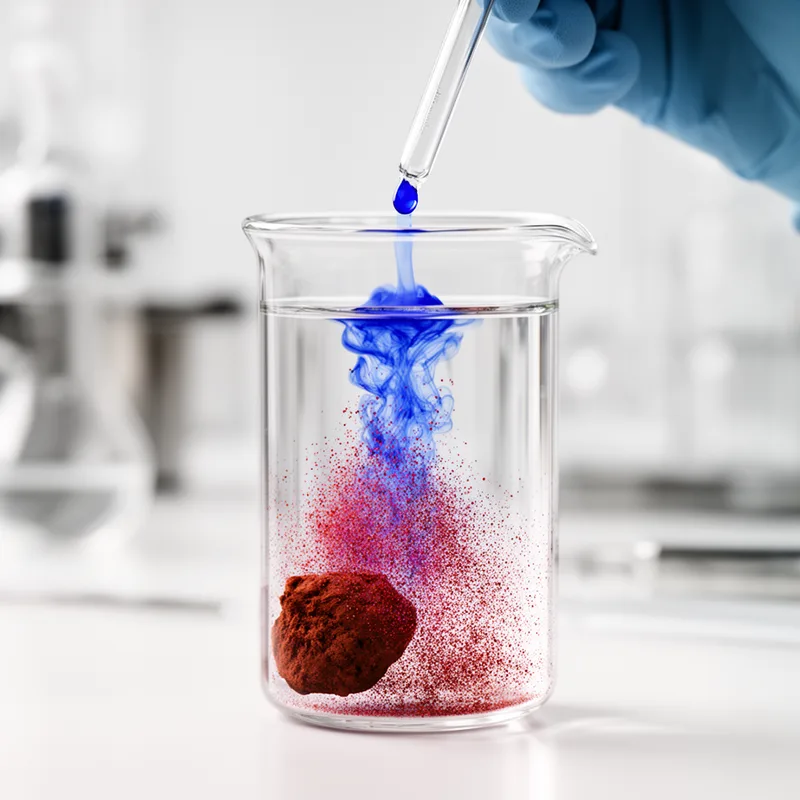
peptization
- noun
- /ˌpɛp.tɪˈzeɪ.ʃən/
- Specialized
- Through careful peptization, scientists can control the size and stability of colloidal particles.
Examples
-
The addition of sodium chloride facilitated the peptization of the iron(III) hydroxide precipitate.
-
Understanding peptization is crucial for producing stable colloidal solutions in industrial chemistry.
-
The peptization of the clay improved its workability.
-
Peptization helps in stabilizing suspensions.
-
The addition of sodium chloride facilitated the peptization of the iron(III) hydroxide precipitate.
-
Through careful peptization, scientists can control the size and stability of colloidal particles.
-
Understanding peptization is crucial for producing stable colloidal solutions in industrial chemistry.
How Dispersed
- Specialized

- Specialized
- Specialized


 1
9.4
1
9.4
- Specialized
1
7.2
Surface Forms
Morphology
Etymology
Peptization comes from the root pept-, which means 'to digest' or 'to cook' and appears in words like peptic and peptide. That's why peptization is easy to remember: it 'digests' a solid precipitate into tiny particles to make a smooth, stable colloidal solution.