
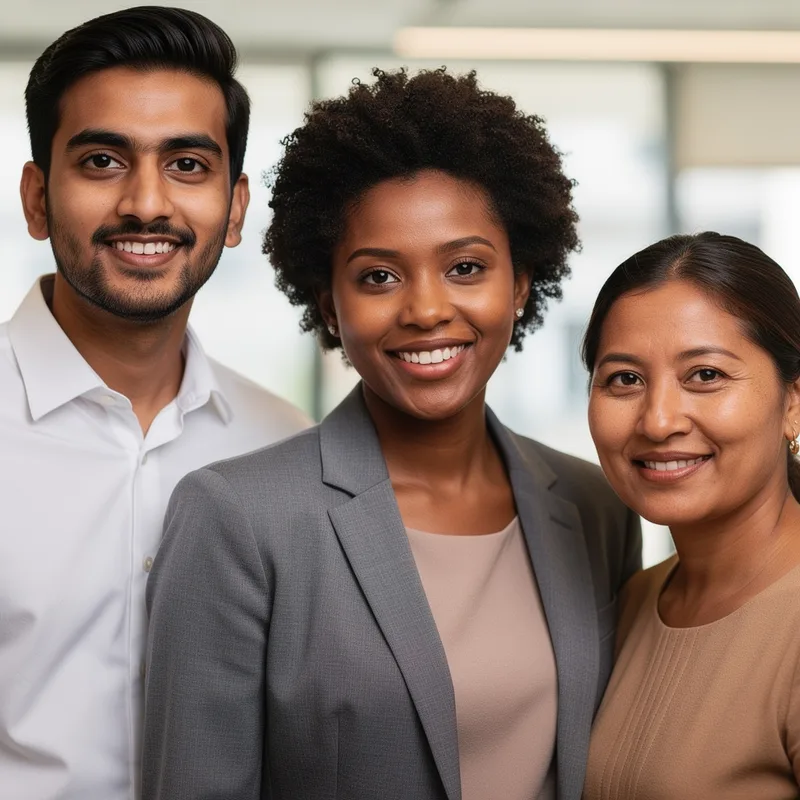
people of color
 37
3.6
37
3.6

- noun
- /ˈpipəl əv ˈkʌlər/
- US
- Many people of color have made significant contributions to art and culture.
- many people of color
- experiences of people of color
- whites and people of color
Loading YouTube…
Watch on YouTubeHe's dehumanized trans people, immigrants, people of color, women.
- He's dehumanized trans people, immigrants, people of color, women.
- It may spark further sort of voter turn out of women, people of color, low income people and so forth.
- Were you saying to these agents, please send us more people of color?
- We need to stop describing people of color's skin as food, as consumable items.
- And we just culturally had done such a good job of pushing girls and people of color out of technology.
- What if the virus had been more fatal to white and wealthy people than to people of color?
- And these policies really, really hurt Americans, particularly women, particularly people of color.
- So back I went to the Bay Area where I was accepted into a training program that helped young people of color learn how to organize.
- I'm so sorry to George Floyd family, to his friends, to people of color to have to keep dealing with these issues.
- I think there are many other communities that are under far more threat, especially immigrants and people of color.
- So when you zoom out and look at this, what you see is a judicial system where almost all of the actors are white and none of them are people of color.
- It's like saying people of colour just have a dark tan.
- Instead, they'll find like these token black anarchists or people of color anarchists and say, see, our movement is diverse and it's being led by people of color.
Examples
-
MORGAN: Patrisse spent the next few years volunteering for social justice organizations, fighting for the rights of people of color.
-
Is the system constructed in such a way as to marginalize people of color?
-
I did not see plays that were written by or for people of color, to be honest, or enough of them.
-
All of us people of color must stick together, you know.
-
All us people of color must stick together.
-
Well, I think it's difficult to be a person of color.
Academic text (2013) -
There is a marked difference in the family planning approaches toward people of color in the world.
Academic text (1993) -
The situation for many people of color in large law firms is arguably worse.
Academic text (2017) -
National and international racism, as directed at people of color, has been the major agenda.
Academic text (1994) -
Despite what the statistics say, this country isn't safe for people of color.
Synonyms
 2
3.9
2
3.9
A person who is not white
Antonyms


Surface Forms
Morphology
people + of + color
The phrase is compositionally built from 'people' + 'of' + 'color' and could be partially understood as 'people characterized by (skin) color', and many languages have a similar construction (e.g., Spanish 'personas de color'). However, its conventional socio‑political meaning as 'non‑white people' is a usage-based convention that may not be fully predictable for a B1 learner who only knows the literal words, so prior exposure is helpful.
Etymology
The phrase people of color uses the simple image of skin color to point to people who are 'not white'. One popular story says activists in the 1970s chose this phrase to bring different non-white groups together to speak about shared unfair treatment, which is why today it means 'people who are not white'.