

pelecypod
- noun
- /ˈpɛlɪˌsɪpɒd/
- Archaic
- Many pelecypods are harvested for food.
Examples
-
Fossil pelecypods are commonly found in marine sedimentary rocks.
-
Marine biologists study the pelecypod to learn about ancient aquatic environments.
-
The pelecypod shells displayed intricate patterns formed over millions of years.
-
The pelecypod is often found in marine environments.
-
Marine biologists study the pelecypod to learn about ancient aquatic environments.
-
The pelecypod shells displayed intricate patterns formed over millions of years.
-
Many pelecypods are harvested for food.
Synonyms
 28
2.0
28
2.0

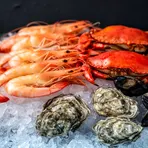
Sea animals with a shell, like shrimp or oysters
 11
5.6
11
5.6
A soft-bodied animal like a snail or clam that often has a shell
 2
6.3
2
6.3
A water animal with a soft body inside two hinged shells, like a clam or oyster
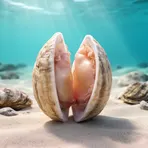
An animal with a soft body and two shells like a clam or oyster
Surface Forms
Etymology
Pelecypod comes from Greek parts peleky- and -pod, which mean 'axe' and 'foot', and the -pod part is the same 'foot' seen in words like tripod and cephalopod. Think of an 'axe-foot' as a simple picture of the animal's strong foot and the two shell parts, and that is why the name is used for clams, oysters and mussels, animals with soft bodies and two shells.