

to pein
- verb
- /peɪn/
- Specialized
- After heating the rod, she peined the end to create a rounded finish.
Examples
-
The blacksmith will pein the metal into shape.
-
The blacksmith carefully peined the rivet to secure the metal plates together.
-
You must pein the nail head so it sits flush with the surface.
-
He peined the edges of the metal sheet carefully.
-
He used the pein of the hammer to shape the metal into a beautiful curve.
-
She carefully peined the end of the metal rod to secure it in place.
-
To finish the sculpture, he had to pein the edges of the steel for a smooth appearance.
Synonyms
 198
1.6
198
1.6

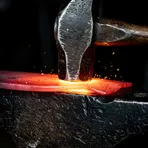
To hit something many times to shape or flatten it

 1
7.3
1
7.3
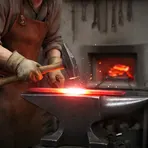
To shape hot metal by heating and hammering it
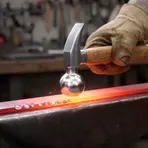
To hit metal with the rounded end of a hammer to make it stronger or change its shape

To shape metal by hammering or pressing its end to fit
How Forceful

Surface Forms
Etymology
To pein as a verb comes from using the hammer's peen to 'strike' metal, so it means to shape, finish, or join metal by hitting it with that end. That's why when a blacksmith peins a rivet they are hitting and forming it with the pein.