

peanut worm
- noun
- Specialized
- The peanut worm quickly retracts its head when threatened by predators.
Examples
-
On the seafloor, peanut worms burrow into mud and sand for protection.
-
Marine biologists studied the feeding habits of the peanut worm in coastal waters.
-
The peanut worm is often found in sandy ocean floors.
-
Have you ever seen a peanut worm before?
-
Marine biologists studied the unique behavior of the peanut worm that resembles a peanut when it retracts into its body.
-
On the seafloor, the peanut worm burrows into the mud for protection against predators.
-
The peanut worm is often mistaken for a small peanut due to its shape and behavior when disturbed.
Synonyms
 299
1.0
299
1.0

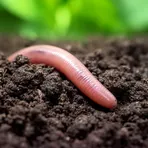
A small soft animal without legs that lives in soil or water
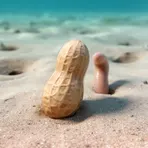
A small sea worm that pulls its front end into its body and looks like a peanut

A group of soft sea worms with a front part you can pull inside, called peanut worms

A group of sea worms without body segments that burrow in shallow water
Surface Forms
Morphology
Etymology
Peanut worm may come from the animal's shape: when it pulls its head in, its soft body becomes short and round like a peanut. So the name now means a small sea worm that looks like a peanut.