
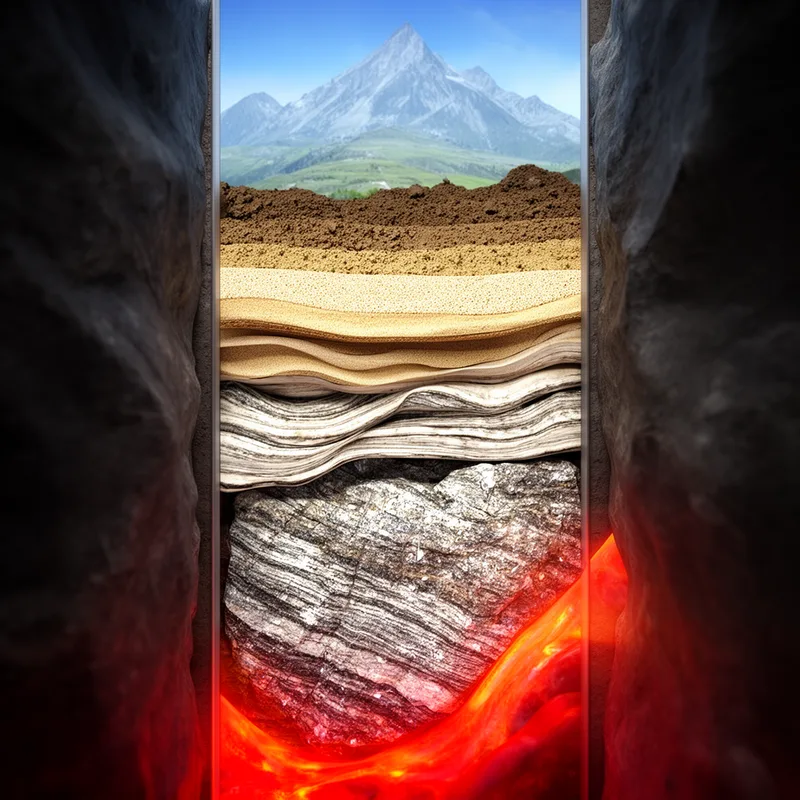
paragneiss
- noun
- /ˈpærəˌnaɪs/
- Specialized
- The geologist identified the rock as paragneiss based on its composition and structure.
Examples
-
Thin sections of paragneiss reveal the minerals typical of metamorphosed sedimentary origins.
-
Layers of paragneiss can often be found alongside other metamorphic rocks in mountain regions.
-
The paragneiss in this region is rich in quartz.
-
Many geologists study paragneiss to understand metamorphic processes.
-
The geologist identified the rock as paragneiss based on its composition and structure.
-
Thin sections of paragneiss reveal the minerals typical of metamorphosed sedimentary origins.
-
Layers of paragneiss can often be found alongside other metamorphic rocks in mountain regions.
Synonyms


 1
9.9
1
9.9
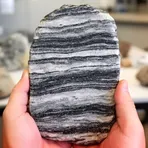
A hard rock formed by heat and pressure with bands of light and dark minerals
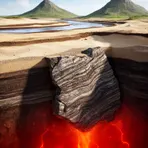
A rock made from mud and sand that changed by heat or pressure deep underground
Surface Forms
Morphology
Etymology
Paragneiss comes from the prefix para- meaning 'beside' or 'from', as in parallel, and gneiss, the name of a layered rock that forms under heat and pressure. So, paragneiss is a gneiss that formed when a sedimentary, or layered, rock was changed by heat and pressure.