

paganization


 1
9.8
- noun
- /ˌpeɪɡəˈnaɪʒən/
- Some scholars debate whether the paganization of art forms was intentional or accidental.
Examples
-
Historians have studied the paganization of certain Christian festivals over the centuries.
-
The paganization of local traditions was met with resistance by some community leaders.
-
The paganization of the festival was evident in the new rituals.
-
Many scholars discuss the paganization of ancient cultures.
-
The paganization of the festival transformed it into a celebration of nature and ancient rituals.
-
Many argue that the paganization of traditional customs has resulted in a loss of cultural identity.
-
The scholar discussed how the paganization of early Christian practices reflected the influence of local beliefs.
Antonyms

- Specialized
3
7.7
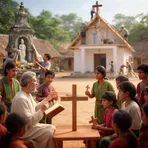
A process where society, schools, or art become less controlled by religion
Surface Forms
Morphology
Etymology
Paganization comes from the word pagan, which in turn comes from Latin paganus meaning 'country person' and later 'someone outside the main religion' who kept old, nature-based beliefs. So paganization is the process of making something more pagan—for example, adding old folk or nature rituals to a holiday or practice.