
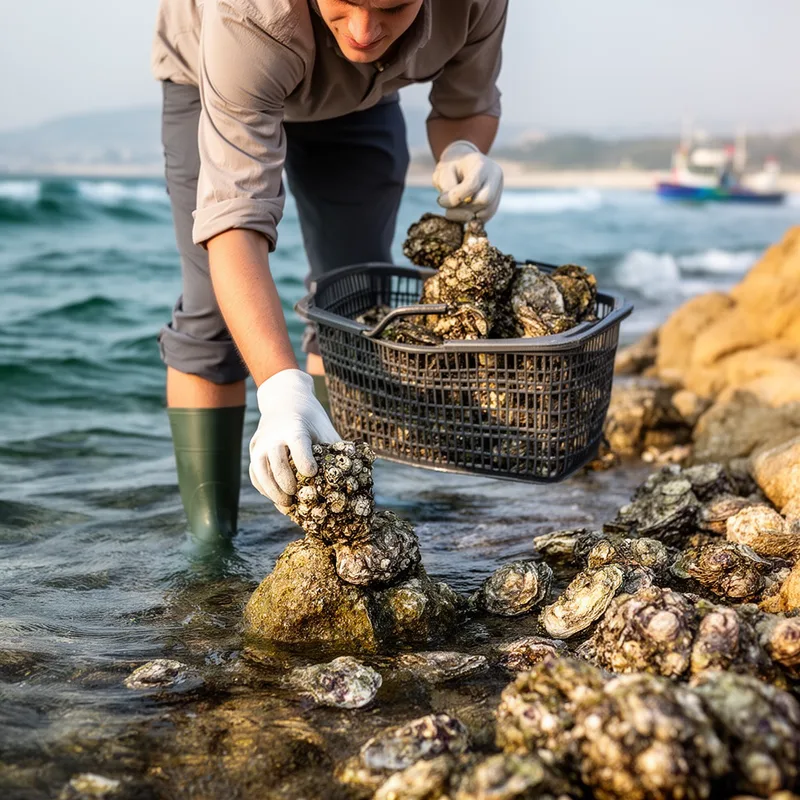
to oyster
- verb
- /ˈɔɪstər/
- Many fishermen enjoy oystering because it allows them to connect with nature while working.
Examples
-
He spent the entire day oystering along the shore, filling his boat with fresh catches.
-
Oystering in this manner is said to be harder and slower work than tonging them.
Academic text (1996) -
Oystering on the Bay wasn't what it had been, not since parasites had killed off so many.
Fiction book (2001) -
By state law, the tongers could begin oystering on 1 September while the dredging season began later, between 1 October and 1 November in different years (Anonymous, 1902b, 1905d, 1907b).
Academic text (1996) -
During the off-season, they would often go oystering to supplement their income from fishing.
Compounds




 2
2.9
2
2.9
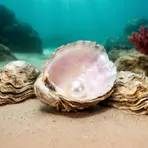
A hard outer part of a sea animal that people use for decoration or to add calcium to soil


 1
3.2
1
3.2
A soft grey mushroom that grows in flat clusters on dead wood and is used in cooking


- Specialized
A sea animal with two thin shells, one side deeply notched, that clings to rocks

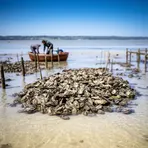





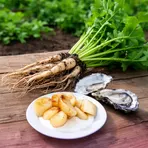
A yellow-flowered plant that people grow for its sweet edible roots and leaves


- Philippine
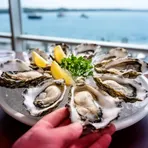
A sea animal with a large thin shell that people use for decoration and for food
How Thoroughly

Surface Forms
Etymology
Oystering comes from the noun oyster and means 'to gather' these shellfish. So to 'oyster' is simply to go and collect oysters from the shore or sea.