
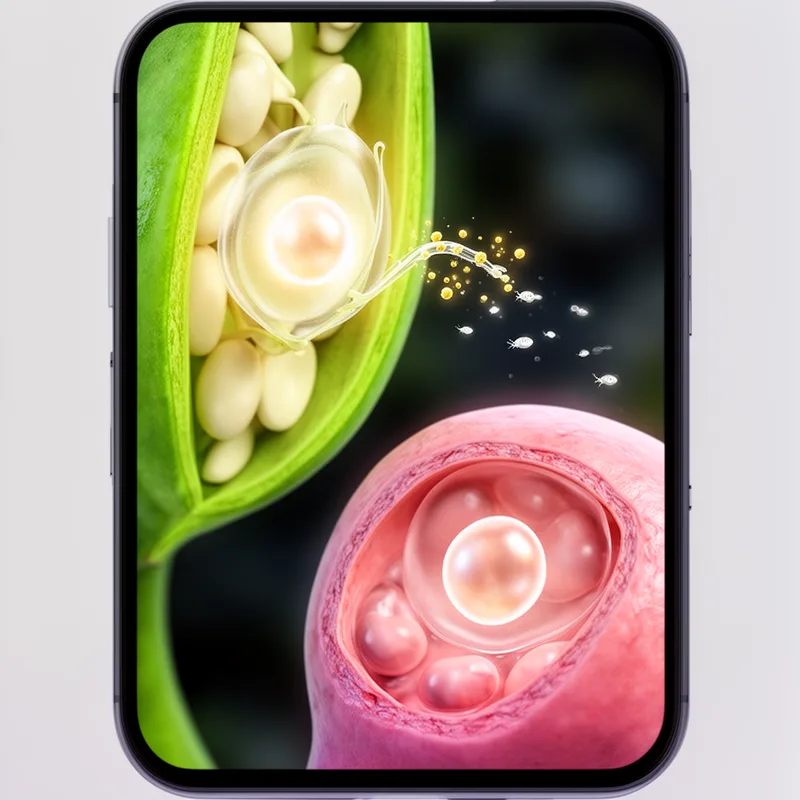
ovule


 1
7.8
1
7.8
- noun
- /ˈoʊvjuːl/
- Specialized
- The base of the female portion of the flower contains the ovules which become seeds.
- fertilize ovules
- pollen and ovules
- reach the ovules
Examples
-
It depends upon the ovule's longevity as well as on the growth speed of the pollen tube.
Academic text (2014) -
Within the corolla, the pistil and stamens represent another contraction to be followed by the expansion of the ovary into the fruit and, finally, the contraction into the ovule.
Blog text (30) -
After pollination of the flower and fertilization of the ovule, the ovule develops into a fruit.
-
Fertilization: Pollen must fertilize an ovule to produce a viable seed.
Compounds
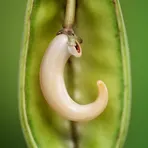
- Specialized
An ovule whose body curves so its opening nearly touches the stalk
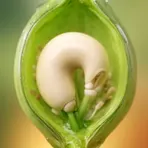
- Specialized
Part of a plant that becomes a seed, bent so its opening and base lie close together
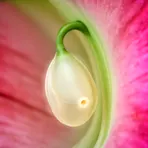
- Specialized
A seed part in a flower turned completely upside down so its tiny opening faces the part that holds it

- Specialized
A part inside a flower that becomes a seed and stays straight with its opening at the top
Surface Forms
Etymology
The word ovule comes from the Latin ovulum, a small form of ovum that means 'egg'. So an ovule is like a 'little egg', the tiny structure in plants or animals that can become a seed or an egg after it is fertilized.