
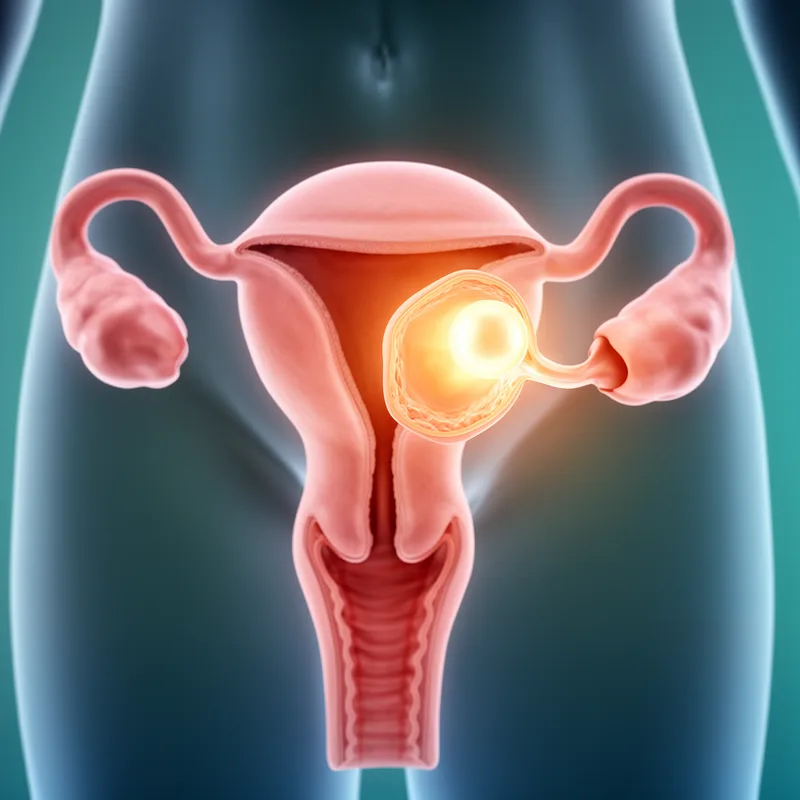
ovulatory
- adjective
- /ˈɑːvjʊlətɔːri/
- Specialized
 :
ovulatorio
:
ovulatorio
- An ovulatory cycle typically occurs once a month in women of reproductive age.
- ovulatory cycle
- ovulatory phase
There was, umm, a big report on, on ovulatory conditions and it was this huge diagnostic guide.
- There was, umm, a big report on, on ovulatory conditions and it was this huge diagnostic guide.
- They they they made this ovulatory shifts sub hypothesis of the dual mating hypothesis, right?
- Men are able they they prefer that there is something in their gate design that changes based on the the stage of their ovulatory cycle.
Examples
-
Cycles may be ovulatory or anovulatory.
Academic text (2012) -
In the post-ovulatory phase, the follicle transforms into the corpus luteum.
Academic text (2015) -
The post-ovulatory phase, however, is considered to be constant at 14 days.
Academic text (2015) -
"We still have the ovulatory hormones that have the same impact on female brains as across other species," she said.
Blog text (27) -
The condition can result in ovulatory dysfunction and peritoneal inflammation.
Academic text (2015) -
Doctors often monitor ovulatory patterns to assess fertility in their patients.
-
The presence of ovulatory indicators can help determine the best time for conception.
How Ovulatory
- Specialized

- Specialized
Surface Forms
Morphology
Etymology
The word ovulatory comes from the Latin ovum meaning 'egg' and from the verb ovulate meaning 'to release an egg', and it is related to ovary, the place where eggs grow. So ovulatory describes the part of the cycle when an egg is released.

