
oviraptorid


 1
9.9
- noun
- /ˌoʊvɪˈræptərɪd/
- Specialized
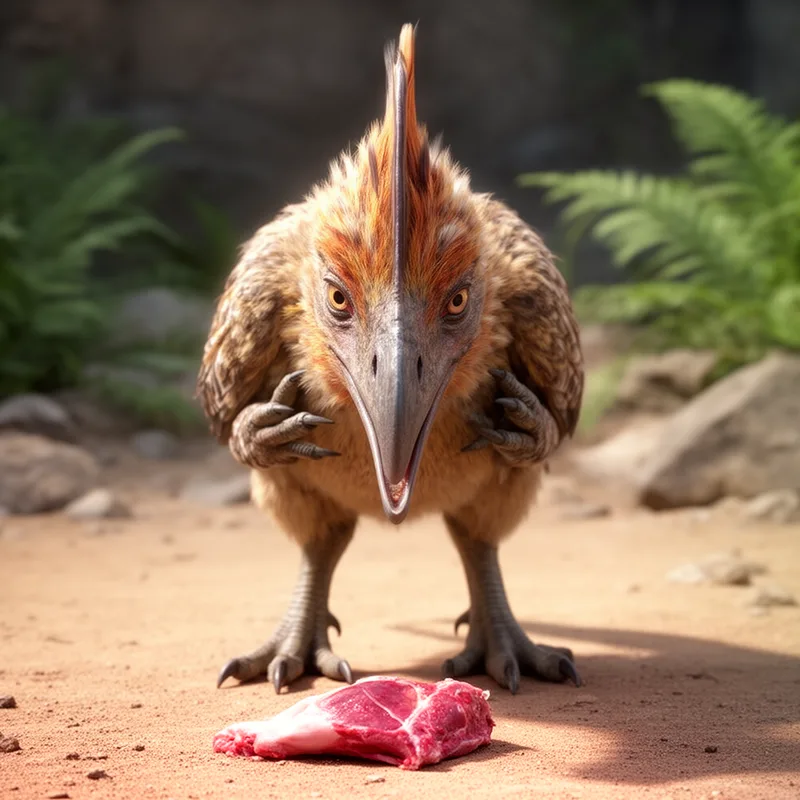
- Researchers discovered a new species of oviraptorid with elaborate crests on its head.
Examples
-
Paleontologists believe that the oviraptorid dinosaurs may have engaged in parental care of their young.
-
The oviraptorid dinosaur was known for its unique toothless beak, which resembled that of a parrot.
-
The classification system that groups them together as oviraptorids is, after all, a human invention subject to human bias.
Blog text (15) -
Of other creatures classified as oviraptorids, at least two are generally conceded to be flightless birds.
Blog text (15)
Surface Forms
Morphology
oviraptorid = oviraptor (semi-transparent) = ovi + raptor + id
Formed from the genus name 'oviraptor' plus the taxonomic suffix '-id'; clear as a scientific formation but not obvious to average learners unfamiliar with Latin combining forms or taxonomic endings.
Etymology
The word oviraptorid comes from the parts ovi- meaning 'egg' and raptor meaning 'thief', with the ending -id meaning 'member of a group'. Early scientists called them 'egg thieves' because their fossils were found near eggs, so an oviraptorid is a member of that group of toothless, crested dinosaurs often linked with eggs and brooding.