
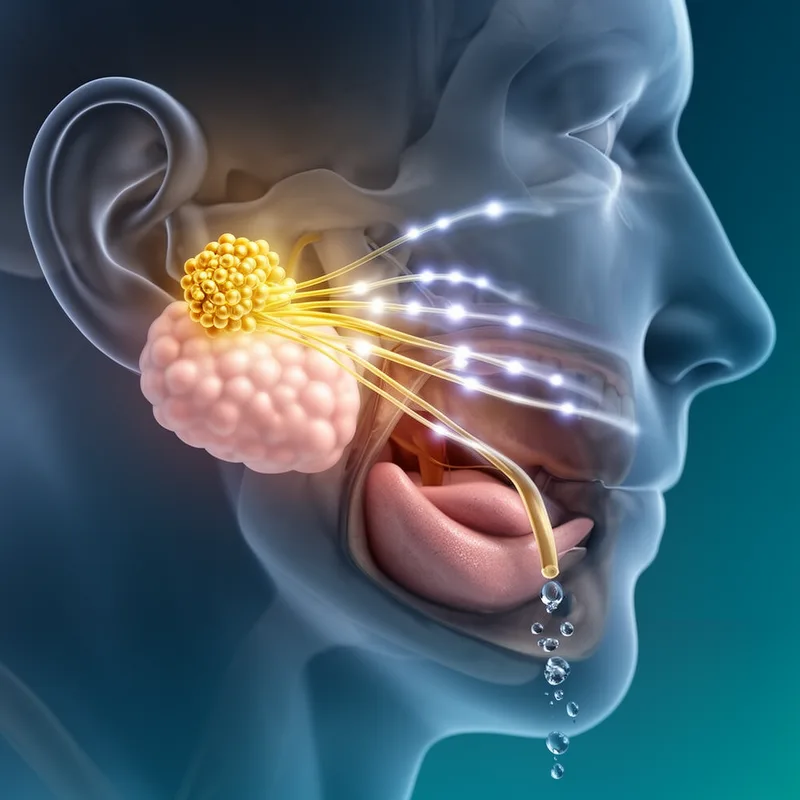
otoganglion
- noun
- /ˌoʊtəˈɡæŋɡliən/
- Specialized
- The otoganglion plays an important role in the innervation of the parotid gland.
Examples
-
The otoganglion plays a crucial role in salivary secretion.
-
Damage to the otoganglion can affect saliva production in the mouth.
-
During dissection, the otoganglion can be identified near the foramen ovale.
-
Can you explain the function of the otoganglion?
-
Damage to the otoganglion can affect saliva production in the mouth.
-
The otoganglion plays an important role in the innervation of the parotid gland.
-
During dissection, the otoganglion can be identified near the foramen ovale.
Synonyms
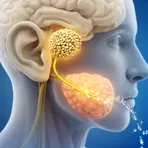
A small group of nerve cells under the skull that sends signals to the parotid salivary gland near the ear
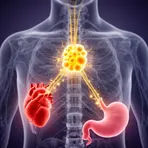
A group of nerve cells that sends signals to internal organs such as the stomach and heart
Surface Forms
Morphology
Etymology
Otoganglion joins oto- 'ear' and ganglion 'knot of nerves', so it literally names a small 'knot' of nerve cells by the ear that sends fibers to the parotid (saliva) gland.

