
organicism


 1
9.9
- noun
- /ɔrˈɡænɪzəm/
- Formal
- Many philosophers argue that organicism helps us appreciate the complexity and interdependence of life forms in nature.
Examples
-
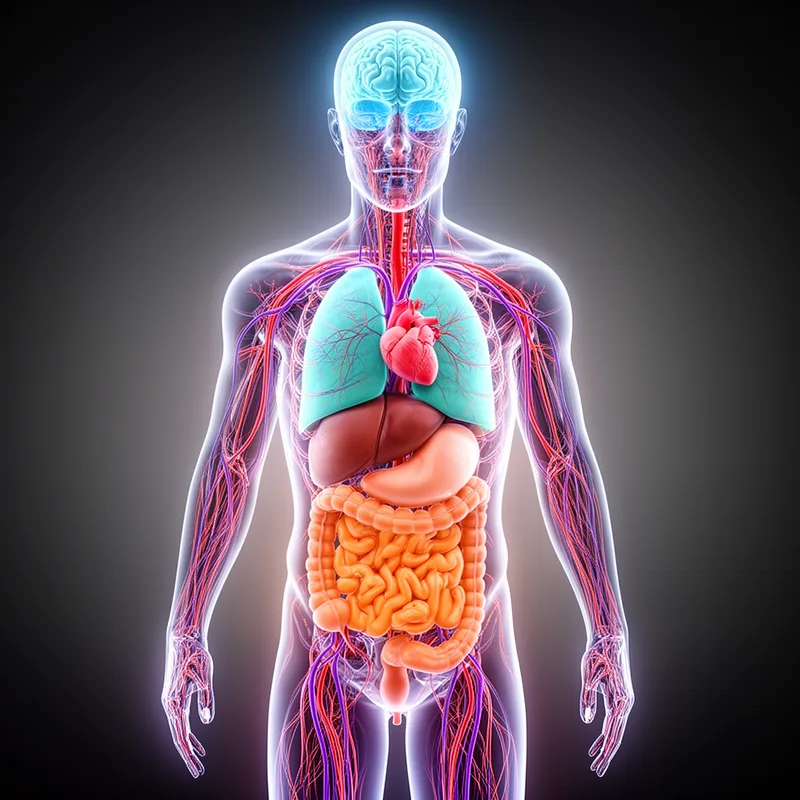
In biology, organicism emphasizes the importance of a holistic approach to understanding how organisms function as integrated wholes.
-
Whereas organicism insists upon wholeness and smoothness of thought, fractal poetry regards interruption, artifice, disjunction, and raggedness as facets of its formal vocabulary.
Fiction book (1999) -
"Cherry found the organicism in the ways that Bushnell viewed language, nature, and nation.
Academic text (2010) -
Yet he did not embrace the personalized organicism characteristic of many who consider themselves followers of Williams.
Fiction book (2000) -
Keynes appears, for example, to have abandoned Moore's atomism in favor of organicism and to have abandoned important aspects of Moore's method of doing philosophy.
Academic text (1990) -
In Bushnell's earlier work on Christian nurture—his first controversial book—he had argued the case for organicism relentlessly.
Academic text (2010) -
Cavendish's mechanism is therefore vital: it retains some of the values and assumptions of an older organicism, which assumes that "the world is a living creature" and which recuperates a more valued feminine principle lost with the ascendancy of modern models.
Fiction book (1991) -
The concept of organicism suggests that the relationships between parts of an organism are more important than the individual functions of those parts.
Surface Forms
Morphology
Etymology
Organicism comes from organ (an old word for a 'tool' that later meant a 'part of a living body') and the ending -ism meaning a 'belief'. Think of organ as a body part and organism as a whole living creature, so organicism is the idea that the whole organism matters more than its separate parts.