

ominousness


 1
8.9
1
8.9
- noun
- /ˈɑːmɪnəsnəs/
- As the storm approached, a palpable ominousness filled the air, hinting at impending danger.
Examples
-
(This whole scene seesaws between the ominousness of sorting through the dead man's things and the fun and excitement of getting ready for the dance.)
Fiction book (1990) -
I'm worried about the grief, but I did love the gentle ominousness of the symbolism.
Blog text (34) -
For a cliffhanger ending, we meet the Corinthian, and the ominousness of Morpheus's statement regarding him appears entirely justified.
Blog text (9) -
The dark clouds gathered overhead, creating an ominousness that made everyone uneasy about the picnic.
-
In the eerie silence of the forest, there was an ominousness that suggested something was watching us.
Synonyms
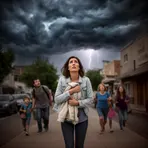
A feeling that something serious will happen soon
Antonyms

How Ominous

Surface Forms
Morphology
ominousness = ominous (transparent) = omin + ous + ness
The noun is formed by adding the productive noun-forming suffix '-ness' to the adjective 'ominous', whose meaning ('suggesting bad events') is directly related to an 'omen', so the derivation is predictable.
Etymology
The word ominousness comes from the old word omen, which means a 'sign' about the future, often a bad one. So ominousness is the quality of feeling like a bad sign that something unpleasant is going to happen.