
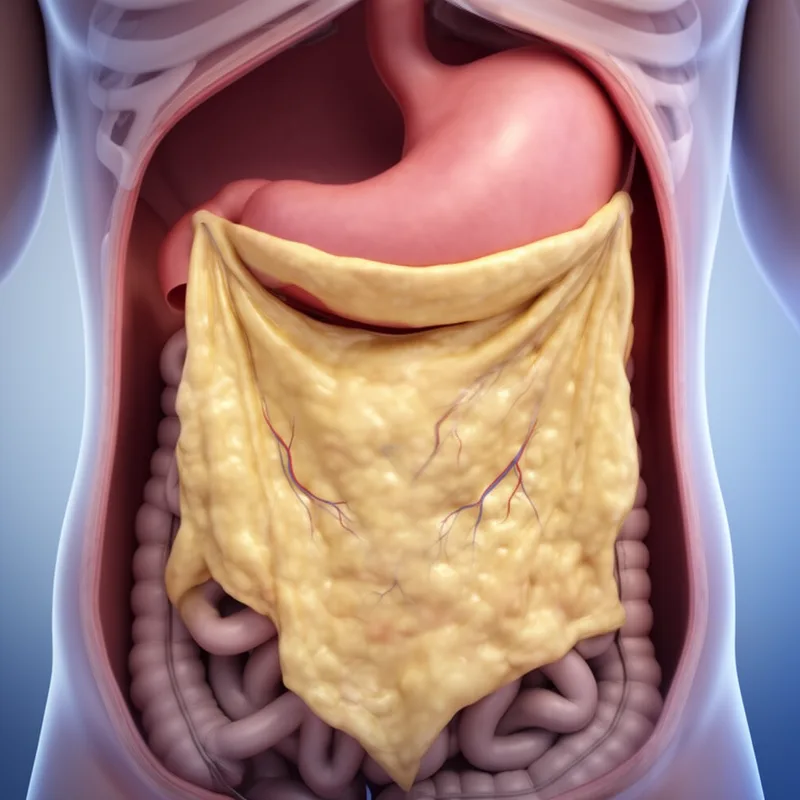
omentum
 1
9.5
1
9.5

- noun
- /oʊˈmɛntəm/
- Specialized
- The original plan was for a laparoscopic hysterectomy, but he determined that the growth on the ovary was malignant, so he cut her open and removed everything, including the cervix and some fluid from the omentum.
Examples
-
The lesser omentum is attached to the top edge of the stomach and extends to the undersurface of the liver.
Blog text (33) -
The greater omentum is attached to the bottom edge of the stomach and hangs down in front of the intestines.
Blog text (33) -
Omentum: A sheet of fat that is covered by peritoneum.
Blog text (33) -
We've got a lot of intestinal fat here in the omentum.
-
Greater omentum.
-
Loops of intestine, mesenteric fat, and blood vessels, omentum.
Fiction book (1998) -
The greater omentum acts as a protective layer over the intestines.
-
During surgery, the doctor explained how the omentum helps store abdominal fat.
-
Surgeons often remove the omentum to reduce the risk of infection during abdominal procedures.
Synonyms
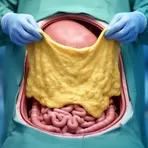
A large fold of tissue that hangs from the stomach and covers the intestines
Compounds
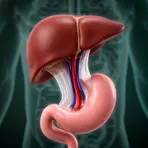
- Specialized
A thin fold of tissue that joins the stomach to the liver and holds the liver's blood vessels

- Specialized
A thin fold of tissue that connects the stomach to the colon and covers the intestines
- Specialized
A large fold of tissue that hangs from the stomach and covers the intestines
Surface Forms
Etymology
Omentum comes from the Latin word omentum, which meant 'fat' or a thin 'membrane' over the stomach. Think of it like a fatty apron that covers and protects the belly organs, which is why the anatomical omentum is the fold of tissue that lies over the stomach and other abdominal organs.