
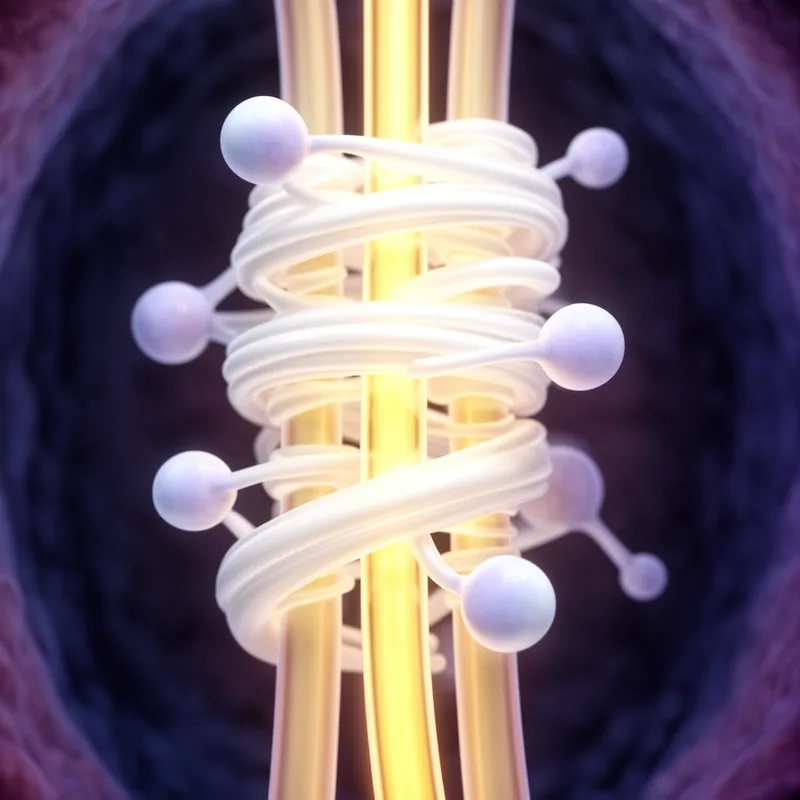
oligodendria
- noun
- /ˌɑlɪɡoʊˈdɛntriə/
- Specialized
- Multiple sclerosis is characterized by the destruction of oligodendria and their myelin sheaths.
Examples
-
Scientists are studying how oligodendria regenerate after central nervous system injuries.
-
Researchers discovered that oligodendria are vital for myelination.
-
Damage to the oligodendria can result in the loss of myelin, affecting nerve transmission.
-
The oligodendria play a crucial role in nerve function.
-
Damage to the oligodendria can result in the loss of myelin, affecting nerve transmission.
-
Multiple sclerosis is characterized by the destruction of oligodendria and their myelin sheaths.
-
Scientists are studying how oligodendria regenerate after central nervous system injuries.
Synonyms

Cells in the brain and spinal cord that make the fatty coating around nerve fibres
Surface Forms
Morphology
oligodendria = oligodendrion (opaque) = oligo + dendr + ion + ia
The term is a specialized scientific formation from Greek combining forms and a Greek plural ending, so its meaning is not derivable by an average learner from the parts.
Etymology
The word oligodendria comes from the Greek parts oligo- and dendron, which mean 'few' and 'tree'. The name fits because these cells have only a few branch-like arms that wrap nerve fibers with a protective coating called myelin, so the word helps explain what they do.

