
olefine
- noun
- /ˈoʊləˌfin/
- UK
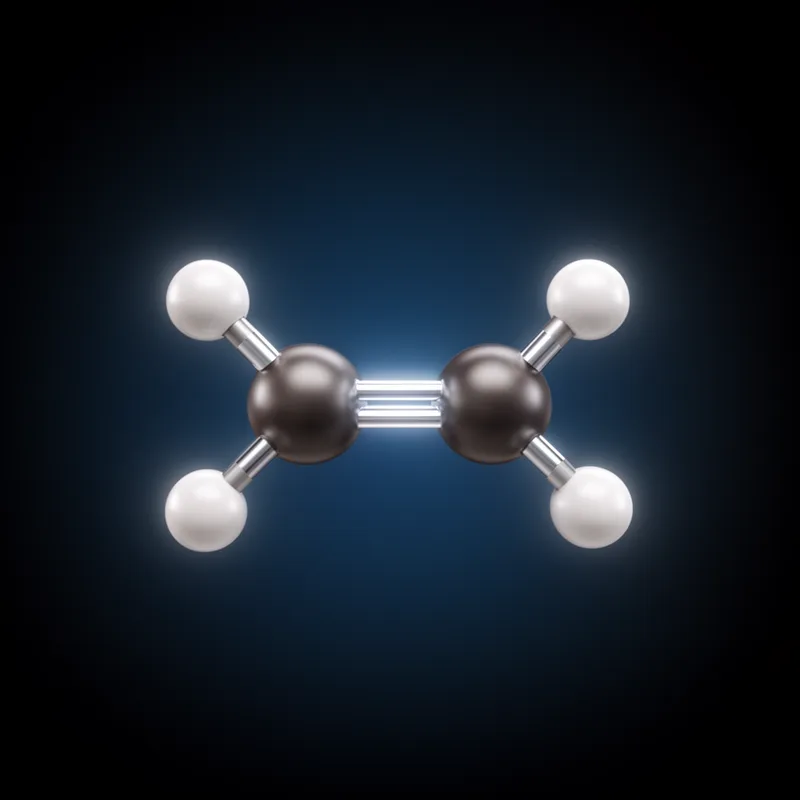
- In organic chemistry, an olefine is a hydrocarbon that contains at least one double bond.
Examples
-
Industrial production of plastics often starts with basic olefines like propylene and ethylene.
-
Ethylene is the simplest example of an olefine.
-
An olefine is used in the production of plastics.
-
Many olefines are derived from petroleum.
-
Ethylene is the simplest example of an olefine.
-
In organic chemistry, an olefine is a hydrocarbon that contains at least one double bond.
-
Industrial production of plastics often starts with basic olefines like propylene and ethylene.
Synonyms


 1
9.9
1
9.9
A simple chemical made of carbon and hydrogen with a double bond, like ethylene
A molecule made of hydrogen and carbon with a double bond between two carbon atoms
Surface Forms
Etymology
Olefine comes from an old name olefiant, which means 'oil-forming' — ole- is from a word for 'oil' and -fiant means 'making'. Early chemists called these gases 'oil-forming' because they made oily liquids, and that's why olefine now means the simple hydrocarbons used to make plastics.