
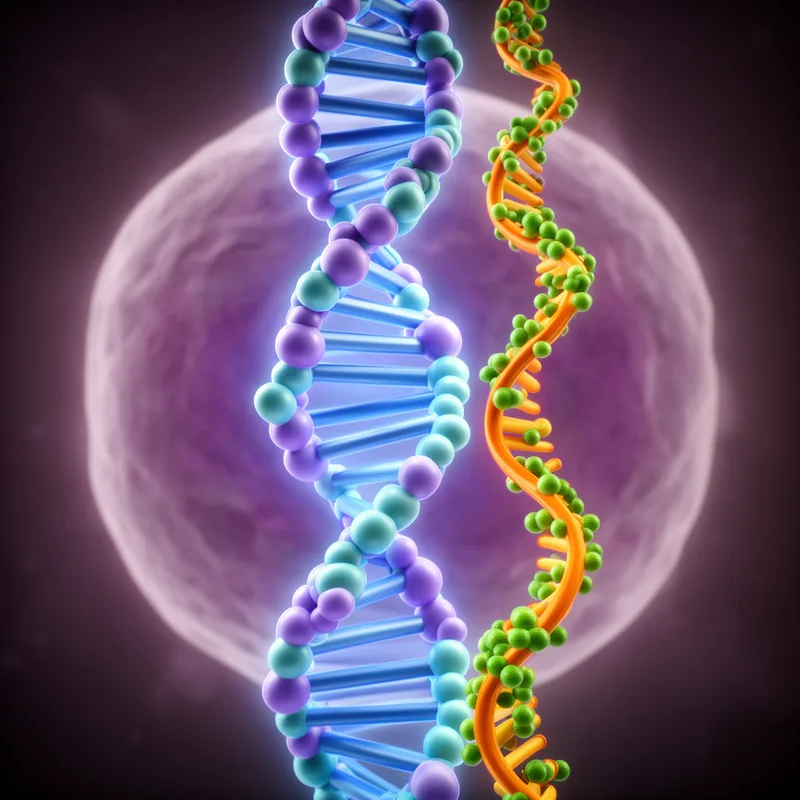
nucleoprotein


 1
7.9
- noun
- /ˌnjuːklɪoʊˈproʊtiːn/
- Specialized
- Several of the A(H7N9) virus internal genes (polymerase basic protein PB1, matrix, nonstructural protein, and nucleoprotein) originated from the H9N2 subtype commonly found in chickens.
- nucleoprotein gene
- nucleoprotein gene sequences
Loading YouTube…
Watch on YouTubeAnd when we go inside, then we have another structural protein called nucleoprotein.
- And when we go inside, then we have another structural protein called nucleoprotein.
Examples
-
Each nucleoprotein in the cell plays a crucial role in gene expression and cellular function.
-
Full-length nucleoprotein (N) and glycoprotein (G) gene sequences from samples were determined.
Academic text (2012) -
Results of phylogenetic analysis of nucleoprotein gene sequences from representative Lyssavirus species and this novel lyssavirus provided strong empirical evidence that this is a new lyssavirus species, designated Ikoma lyssavirus.
Academic text (2012) -
Structures like nucleoprotein help package DNA efficiently within the nucleus.
-
The study revealed that nucleoprotein is essential for the replication of certain viruses.
Surface Forms
Morphology
Etymology
The word nucleoprotein comes from nucleo- meaning 'core' and protein. So a nucleoprotein is a protein found with the cell's core material, like DNA or RNA in the nucleus.