
nome
 1
9.9
1
9.9

- noun
- /noʊm/
- Specialized
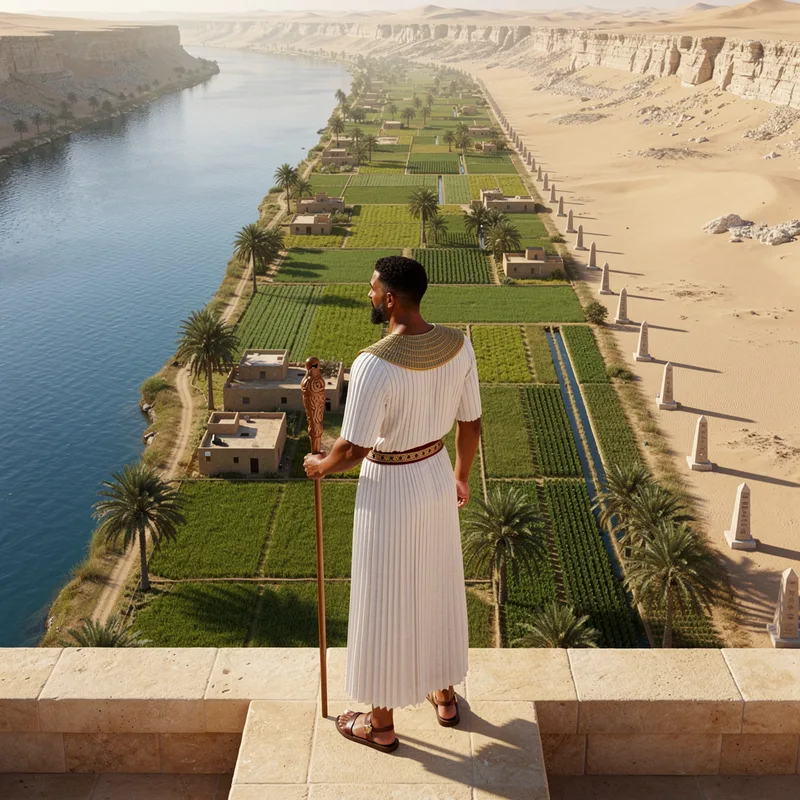
- Egypt was divided up into areas called nomes, kind of like districts, all over the country.
Examples
-
And the leaders of these nomes had tremendous wealth and tremendous power.
-
You must go at once to the sanctuary of nome and ask for the high priest ahemelek and show him this.
-
- I'll suo nome, per favore.
-
Nomes!
-
Today's Arcadia is a political unit (a nome), trimmed back from its ancient realm to strike a balance with other representative districts in the Peloponnese.
Academic text (1998) -
Two of the mountains named by Milton are now in the nome of Corinth, but Pausanias noted that Erymanthus and Cyllene marked, respectively, the northwest and the northeast corners of Arcadia.
Academic text (1998) -
The sacred Eye of Atum (the name of this primordial god means "totality" or "void") and Ra, one of the most complex symbols in Egyptian metaphysics, had, according to certain nome beliefs, been empowered to create the world.
Academic text (1996) -
In ancient Egypt, each nome was ruled by a local official who managed its affairs.
-
The land of Egypt was organized into several nomes, each with distinct customs and traditions.
-
During the Pharaonic era, the nome of Thebes was one of the most powerful regions in the country.
Synonyms
 2
8.2
2
8.2
A part of a country like a state or province that a local leader runs
A local district in ancient Egypt or Greece

A small area of land led by a local leader in ancient times
Surface Forms
Etymology
The word nome comes from the Greek word nomos, which meant 'district' or 'law'. So a nome was a local district in ancient Egypt with its own official and rules, and that is why nome today means a territorial division.