
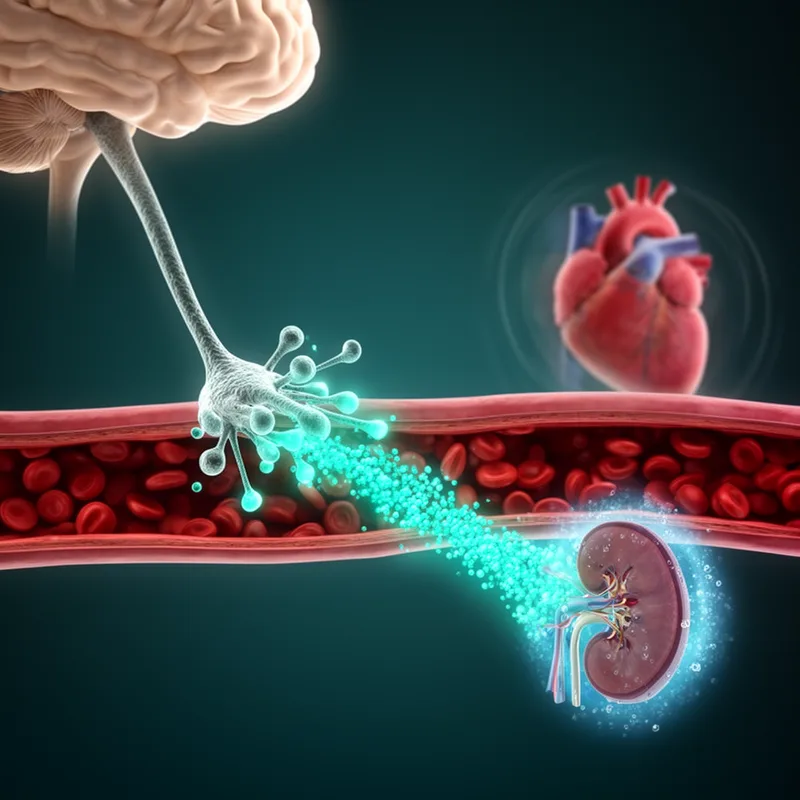
neurohormone
 1
7.6

- noun
- /ˌnjʊəroʊˈhɔːrmoʊn/
- Specialized
- Stress can affect the levels of several neurohormones, impacting both mood and physical health.
- neurohormones and neuropeptides
Loading YouTube…
Watch on YouTubeAnd so it kind of comes down to one of my favorite neurohormones, oxytocin neurochemicals.
- And so it kind of comes down to one of my favorite neurohormones, oxytocin neurochemicals.
Examples
-
My thesis project back at Penn had been on neurohormones—a class of messenger molecules that could function both as neurotransmitters and as hormones.
Fiction book (2000) -
Friendly interactions with dogs have been shown to stimulate oxytocin production in humans, and this neurohormone enhances our social sensitivity and increases our trusting and trustworthy behavior.
Blog text (2) -
I had hoped that the study of neurohormones might clarify the ancient mind/body problem.
Fiction book (2000) -
And so it kind of comes down to one of my favorite neurohormones, oxytocin neurochemicals.
-
The neurohormone oxytocin is released during moments of bonding and affection.
-
Research indicates that neurohormones play a crucial role in regulating emotional responses in the brain.
Synonyms
 309
3.5
A chemical made by glands that travels in the blood to affect body parts
Surface Forms
Morphology
Etymology
Neurohormone comes from neuro- 'nerve' and hormone 'to set in motion', so it is a chemical made by nerve cells that is sent into the blood to change or control other parts of the body.