

neotraditionalism


 1
9.5
- noun
- /ˌniːoʊtrəˈdɪʃənəlɪzəm/
- The art exhibit showcased neotraditionalism, highlighting how contemporary artists use traditional techniques.
Examples
-
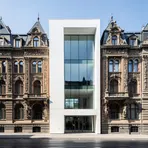
In architecture, neotraditionalism is evident through the revival of historic design elements in new buildings.
-
The ethnicization of the Druze community also involved recourse to neotraditionalism, particularly on the level of leadership.
Academic text (1993) -
Some colleagues acknowledge and, what is more intellectually gratifying, have incorporated my theoretical formulations concerning inclusion and neotraditionalism in dealing with the Khrushchev and Brezhnev periods in the Soviet Union and Eastern Europe, as well as in China.
Academic text (1991) -
Many musicians today embrace neotraditionalism by incorporating classic styles into their modern songs.
Synonyms
 3
6.5
Valuing old customs and ways, especially in religion and culture
Antonyms

How Traditional

Surface Forms
Morphology
neotraditionalism = traditionalism (transparent) = neo + tradition + al + ism
The word is directly analyzable as 'neo-' (new) + 'traditionalism' (adherence to tradition), yielding a clear meaning of a renewed or new form of traditional practice.
Etymology
The word neotraditionalism mixes neo- ('new') and tradition ('old ways' or 'customs'), so it means bringing back or using old styles and values in a new way.