
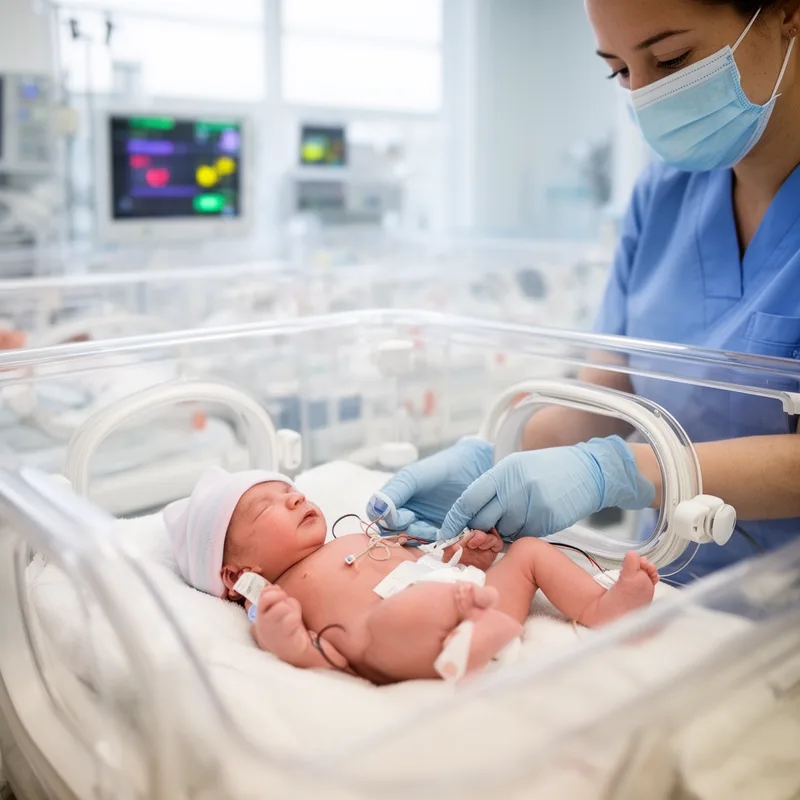
neonatal period
- noun
- /ˌniːoʊˈneɪtəl ˈpɪrɪəd/
- Specialized
- Parents should educate themselves about the challenges faced by infants during the neonatal period to provide better care.
Examples
-
During the neonatal period, low birthweight babies are less likely to survive compared to normal birthweight babies, and those who do survive are at an increased risk of developing respiratory, behavioral, and neurodevelopmental problems.
Academic text (2011) -
Even though our patients had been examined during their childhood rather than during their neonatal period, they showed improvement in their BERA results.
Academic text (2002) -
Much of this difference can be attributed to the neonatal period with higher rates of preterm deliveries.
Academic text (2001) -
Increased awareness of neuroblastoma in the entire province by health-care providers apparently led to more cases diagnosed than would have been otherwise, especially in the neonatal period.
Academic text (1996) -
The Urban League in 1923 further contended that infant mortality, especially during the neonatal period, or first month of life, was largely caused by diseases classified as "developmental."
Academic text (1994) -
It is at the threshold of the house, on the boundary between the social space and the domestic space, which, during the neonatal period, remained indefinite, that the parents put the newborn child in the midwife's arms with the utensils that will serve the baby later in his or her social life and which define him or her as a member of society.
Academic text (2008) -
During the neonatal period, doctors closely monitor the health of newborns to ensure they are developing properly.
-
Many vaccinations begin in the neonatal period to protect infants from common diseases early in life.
Surface Forms
Morphology
The meaning 'the first 28 days after birth' follows directly from combining 'neonatal' (relating to newborns/first month) with 'period' (a measured interval). Although 'neonatal' is somewhat technical, the noun phrase composition is regular and cross-linguistically transparent, so a B1 learner who knows both constituents would readily infer the MWE's meaning.
Etymology
The term neonatal period comes from two parts, neo meaning 'new' and natal meaning 'birth', which creates the image of a just-born baby. So, it names the special time right after birth, the first 28 days when a newborn needs close care.

