
negative reinforcing stimulus
- noun
- Specialized
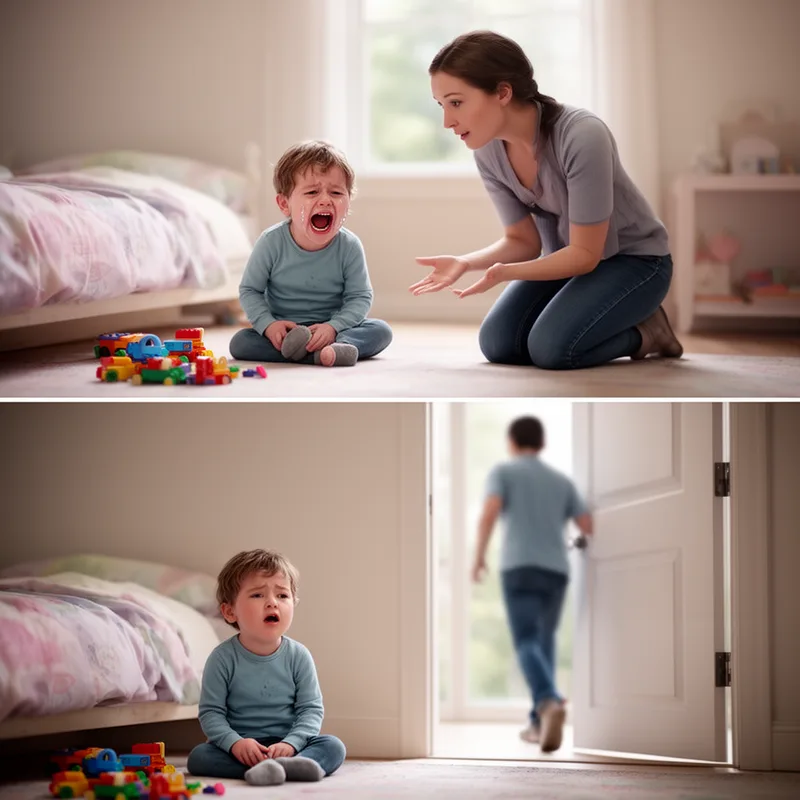
- If a child stops crying after a parent leaves the room, the parent's departure may become a negative reinforcing stimulus.
Examples
-
When a teacher removes a distracting item from the classroom, it acts as a negative reinforcing stimulus for students to focus better.
-
The removal of a loud noise can serve as a negative reinforcing stimulus for a particular behavior.
-
Therapists sometimes identify a negative reinforcing stimulus to help modify unwanted behaviors.
-
A loud noise can act as a negative reinforcing stimulus for a child.
-
To reduce anxiety, we can use a negative reinforcing stimulus effectively.
-
The abrupt cessation of a loud noise serves as a negative reinforcing stimulus, encouraging the child to remain calm.
-
Identifying a negative reinforcing stimulus can help therapists create effective strategies to change harmful behaviors.
Antonyms

- Specialized
Something pleasant that someone gives after a behavior to make it happen again
Surface Forms
Morphology
negative + reinforce + stimulus
The constituents 'reinforce' and 'stimulus' make clear this concerns something that affects behavior, so learners can guess it's a stimulus related to reinforcement. However, the modifier 'negative' has a technical meaning in behavioral psychology (involving removal rather than 'bad') and the phrase is specialized and non‑compositional for everyday speakers, so the exact sense is not fully predictable to a B1 learner.
Etymology
The term negative reinforcing stimulus comes from simple scenes where someone takes something away after a behaviour. Here negative means 'taken away', reinforcing means it changes how someone acts, and stimulus is the thing removed, so the phrase names something whose removal helps 'decrease' an unwanted behaviour.

