

needle rush
- noun
- In its natural habitat, needle rush grows along the edges of slow-moving freshwater streams.
Examples
-
The delicate appearance of needle rush makes it a favorite among aquascaping enthusiasts.
-
The needle rush grows well in shallow water.
-
We added a needle rush to our aquarium to help oxygenate the water.
-
In my aquarium, I have several needle rushes.
-
The aquarium was beautifully decorated with needle rush, providing a natural look and improving water quality.
-
To create a better environment for the fish, she added needle rush to the aquarium.
-
The fine leaves of the needle rush swayed gently in the water, enhancing the aquatic habitat.
Synonyms

A small water plant with thin grass-like leaves used in fish tanks
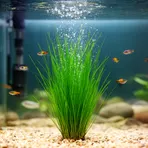
A water plant with thin leaves used in aquariums to add oxygen
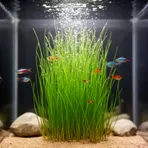
A water plant with thin leaves kept in aquariums to give oxygen to the water

A thin grass-like plant that grows in wet places like marshes
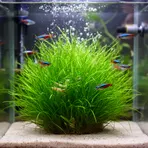
A water plant with fine leaves often grown in aquariums to give oxygen and shelter small fish
Surface Forms
Morphology
The compound is a straightforward noun+noun composition: 'needle' describes the fine, needle-like leaves and 'rush' names a grasslike marsh plant, so the meaning of a rush with needle-like leaves is directly derivable from its parts. This kind of transparent descriptive compound follows common word-formation patterns (and parallels in other languages), so a B1 learner who knows both constituent words would readily infer the MWE's meaning.
Etymology
Needle rush gets its name because its thin leaves look like needles and it is a kind of water plant called a rush. That's why the name helps you remember this thin, rush-like plant people put in aquariums to 'add oxygen to the water'.

