
necrobiosis
- noun
- /ˌnɛkrəˈbaɪəsɪs/
- Specialized
 :
necrobiosis
:
necrobiosis
- The doctor explained that necrobiosis is a natural process that occurs as cells age and die.
Examples
-
Understanding necrobiosis is essential for studying how tissues regenerate and repair themselves.
-
Researchers observed necrobiosis in the epithelial cells during their investigation of skin health.
-
Photo (black & white): Figure 2: Granuloma annulare. There is an extensive necrobiosis surrounded by an ill-defined histiocytic infiltrate.
Academic text (2007)
Synonyms

 5
3.9
5
3.9

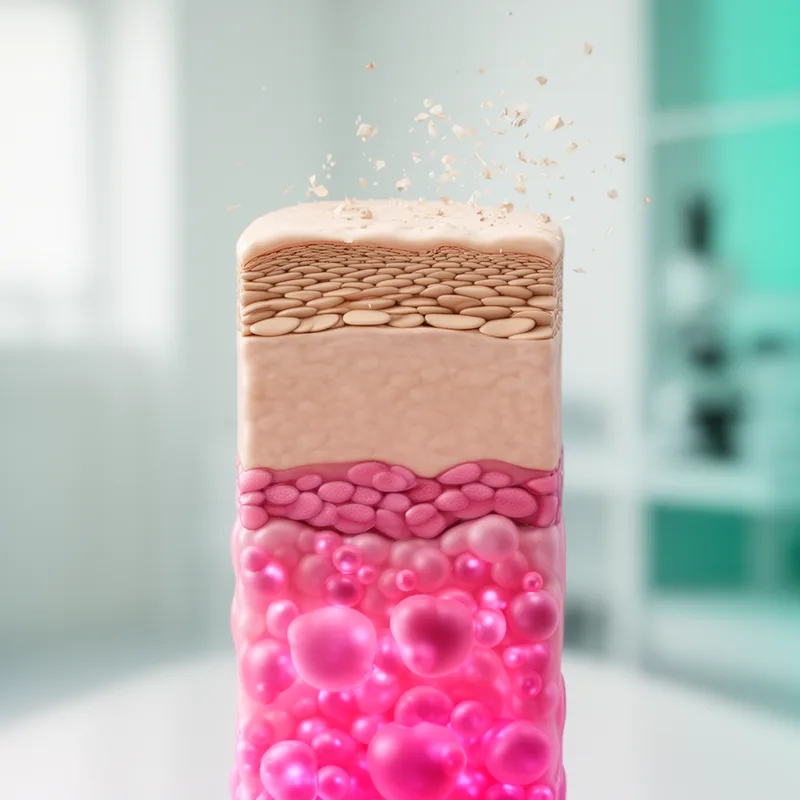
A natural process in which living cells die during growth or repair
Compounds

- Specialized
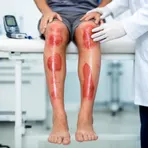
A rare skin condition with thin shiny yellow patches on the lower legs that often affects people with diabetes
- Specialized
A rare skin condition causing thin shiny red patches on the legs, often in people with diabetes
Surface Forms
Morphology
necrobiosis = necrosis (opaque) = necro + biosis
The term is built from Greek combining forms (necro- + -biosis) that are technical and not recognizable as standalone English words to average learners, so the biomedical sense is not derivable from common vocabulary.
Etymology
Necrobiosis comes from Greek parts necro- meaning 'dead' and -biosis related to bio in 'biology', meaning 'life' or 'living'. So, necrobiosis means the normal death of cells in tissues, which is why we use it for cells that die and are replaced.