
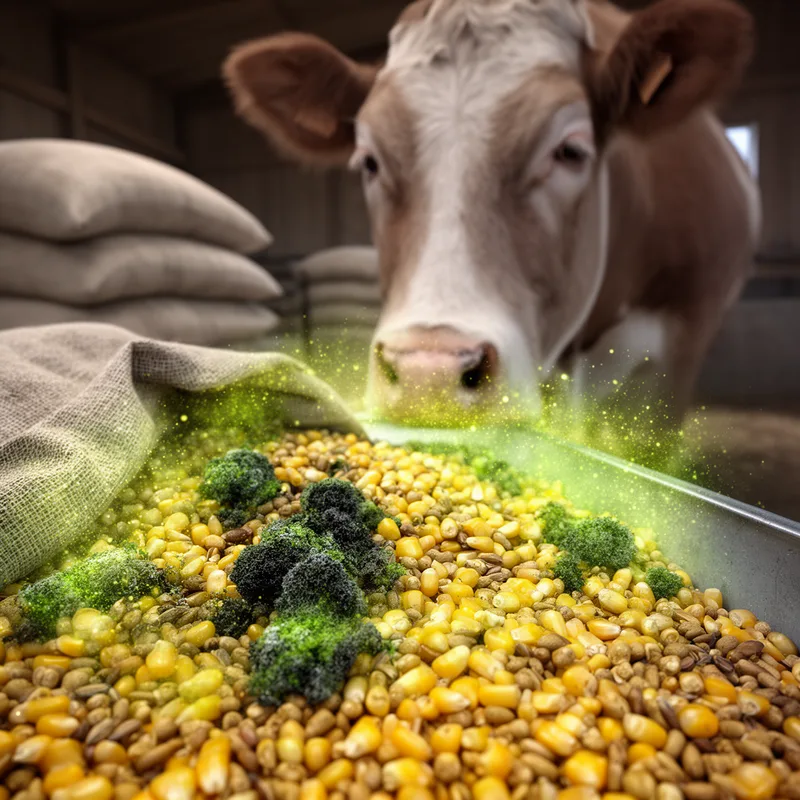
mycotoxin
 1
9.7

- noun
- /ˌmaɪkəˈtɒksɪn/
- Specialized
- Infected wheat kernels often shrivel and become discolored, and they may harbor compounds called mycotoxins that are manufactured by the fungus.
- produce mycotoxins
- Exposure to mycotoxins
Loading YouTube…
Watch on YouTubeThey get very moist and a lot of them contain mycotoxins or mold.
- They get very moist and a lot of them contain mycotoxins or mold.
- And then I mentioning a lot of people that have mold toxicity, mycotoxins is what they're called.
Examples
-
Many species of mold (including some found indoors in contaminated buildings) produce mycotoxins.
Academic text (2003) -
So they do the hard work and find a big difference in one of the mycotoxins, deoxynivalenol.
Blog text (14) -
Bacon heads the Toxicology and Mycotoxin Research Unit in Athens, Georgia.
Academic text (2000) -
In the developing world, costs associated with mycotoxins are much higher: contaminated crops jeopardize human health and food security.
Academic text (2006) -
Exposure to mycotoxins can occur via inhalation of mold spores or through skin contact with molds.
Academic text (2003) -
In the drought years of 1983 and 1988, for instance, mycotoxins cost Midwest corn growers more than $280 million.
Academic text (2006) -
Recently, concern has arisen over exposure to multiple mycotoxins from mixtures of mold spores growing in wet indoor environments.
Academic text (2003) -
Certain molds can produce harmful mycotoxins that contaminate food and pose health risks.
-
Farmers are taking steps to reduce mycotoxins in their crops to ensure safer food for consumers.
-
Testing for mycotoxins in grains is crucial to prevent poisoning in livestock and humans.
Synonyms
 143
5.3
A poisonous substance that some animals, plants, or bacteria make
 2
7.9
A poisonous substance made by a living thing like a plant, animal, or germ
How Toxic

Surface Forms
Morphology
Etymology
Mycotoxin breaks into two parts: myco- meaning 'fungus', like in mushroom or mycology, and -toxin meaning 'poison', like toxic. So a mycotoxin is literally a 'poison from a fungus', which explains why the word names harmful chemicals made by moulds that can contaminate food.