
mutualism
 1
6.7
1
6.7

- noun
- /ˈmjuːtʃuəlɪzəm/
- Specialized
- The bees and flowers show mutualism since bees pollinate flowers while obtaining food from the nectar.
- animal mutualisms
- plant-animal mutualisms
- mutualism-parasitism continuum
Examples
-
Changes in species composition affect ecosystems at multiple levels, from mutualisms or predator-prey relations to disturbance regimes.
Academic text (2011) -
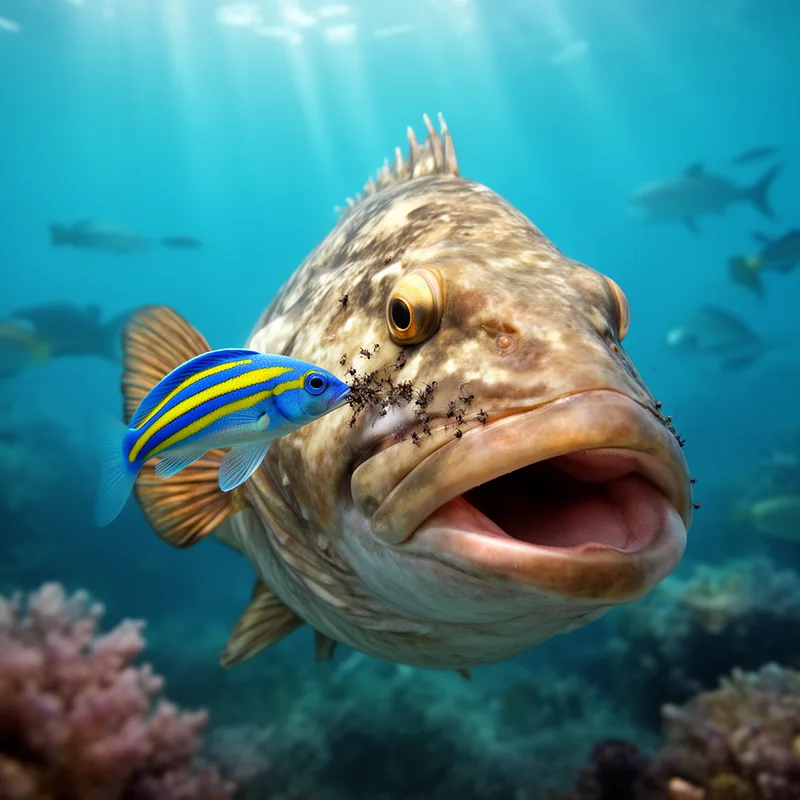
Many marine species demonstrate mutualism, such as clownfish that protect sea anemones while gaining shelter from predators.
-
In Indonesia today, there is a complex mix of competition and mutualism in the quest for land resources.
Academic text (2000) -
IAFC, she said, is "proud of the bonds that it has constructed and the feeling of mutualism."
Academic text (2005) -
The consequences of this mutualism, Stachowicz notes, go beyond the individual organisms, ultimately influencing community structure.
Academic text (1998) -
Molecular tools have also contributed greatly to researchers' understanding of host specificity patterns in fungal mutualisms.
Academic text (2008) -
In a coevolutionary context, positive feedback can lead to greater strength of mutualism and potentially to coadaptation of mutualist partners (Bever 1999).
Academic text (2006) -
The combined effects of changes in dispersal and phenology may disrupt mutualisms from pollination to the tending of butterflies by ants.
Academic text (2011) -
Thus, the northern flying squirrel facilitates a symbiotic mutualism that contributes to revitalizing its forest habitat and a staple food source (Maser and Maser 1988).
Academic text (2012) -
In a rainforest, the relationship between the ants and the aphids is a classic example of mutualism where both species provide benefits to each other.
Synonyms
 4
6.1
4
6.1
A close relationship between two different living things that helps both
Antonyms

- Specialized
3
7.6
A relationship where one living thing lives on or in another and harms it
How Beneficial
- Specialized
1
6.7

- Specialized

 1
9.1
1
9.1
Surface Forms
Morphology
Etymology
Mutualism comes from mutual meaning 'shared between two' and the ending -ism meaning 'a system or practice'. So, mutualism is a relationship where two living things 'share' benefits and both gain from the partnership.