

mussel shrimp
- noun
- /ˈmʌsəl ʃrɪmp/
- Specialized
- Unlike true shrimps, the body of a mussel shrimp is entirely enclosed by its shell.
Examples
-
The protective bivalve shell helps the mussel shrimp avoid many predators.
-
The mussel shrimp is often found in shallow waters.
-
Researchers discovered several species of mussel shrimp in the pond during their survey.
-
Many mussel shrimps inhabit the coastal regions.
-
Researchers discovered several species of mussel shrimp in the pond during their survey.
-
The protective bivalve shell helps the mussel shrimp avoid many predators.
-
Unlike true shrimps, the body of a mussel shrimp is entirely enclosed by its shell.
Synonyms

A very small water animal like a shrimp inside a hard two-part shell
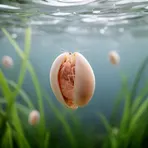
A very small water animal like a shrimp with its whole body inside a two-part shell

Small water animals called seed shrimps with a hard shell that opens in two halves
Surface Forms
Morphology
The compound combines two concrete nouns so its meaning is directly compositional: a shrimp-like crustacean associated with or enclosed by a mussel (i.e., mussel + shrimp). This noun–noun compounding follows regular English patterns and would be predictable to a B1 learner who knows both constituent words.
Etymology
Mussel shrimp is named for the picture of a small shrimp living inside a mussel-like shell. The name joins mussel (a two-part shell) and shrimp (a little sea animal), so you can remember it as a shrimp wearing a shell — that is why it means 'a small water animal with a shrimp-like body inside a two-part shell'.

