
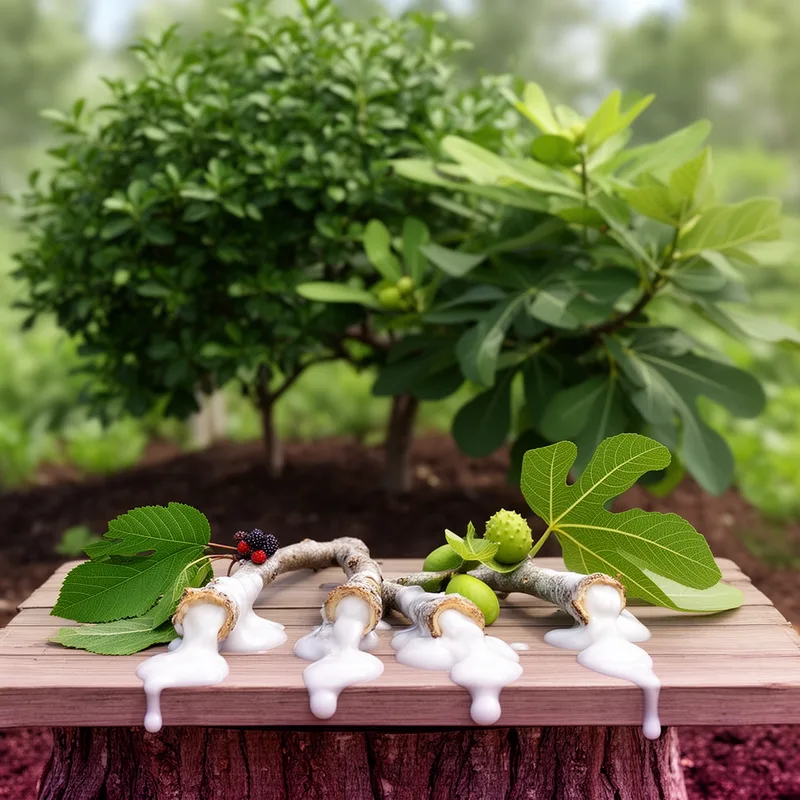
mulberry family
- noun
- /ˈmʌlˌbɛri ˈfæmɪli/
- Specialized
- The mulberry family includes many unique species.
Examples
-
Are mulberry families common in tropical regions?
-
The fig tree belongs to the mulberry family, along with breadfruit and mulberry itself.
-
Botanists have debated whether Cannabis should be included in the mulberry family.
-
Many members of the mulberry family produce a characteristic milky latex.
-
The mulberry family includes many species that produce edible fruits.
-
Plants from the mulberry family are known for their milky sap.
-
The fig is a well-known member of the mulberry family, popular in many cuisines.
Synonyms

A group of trees and shrubs with milky sap, including figs and mulberries

A family of trees and shrubs whose members often have milky sap and include figs and mulberries
Surface Forms
Morphology
The phrase is compositional: 'mulberry' names the plant and 'family' denotes a grouping or taxonomic category, so a learner who knows both words can infer it means the group of plants related to mulberries (i.e., Moraceae). The construction follows a common noun-noun naming pattern for biological groups and is cross-linguistically understandable, making the meaning immediately derivable from its parts.
Etymology
Mulberry family probably gets its name because the mulberry tree was a common example of a group of similar plants; like a human family, these plants are 'related' and often share features such as a milky sap. So, mulberry family means a group of related trees and shrubs like fig and breadfruit.

