
mucin
- noun
- /ˈmjuːsɪn/
- Specialized
- Davies and Singer compared the use of a mucin-based artificial saliva and a pilocarpine mouthwash in the treatment of radiation-induced xerostomia.
- stain positive for mucin
- polymorphic epithelial mucin
- epithelial mucin
Loading YouTube…
Watch on YouTubeThe junk foods also contain emulsifiers like polysorbate and carrageenan and lecithins that degrade the mucin layer.
- The junk foods also contain emulsifiers like polysorbate and carrageenan and lecithins that degrade the mucin layer.
- So I'm definitely in my snail mucin era and I'm all about it.
- You can see here that it recreates the snail mucin texture without harming any snails.
- Ampules are super concentrated and I love using this because it has snail mucin in it.
- And we'll talk about it in a second because it's quite a thing, this snail mucin.
Examples
-
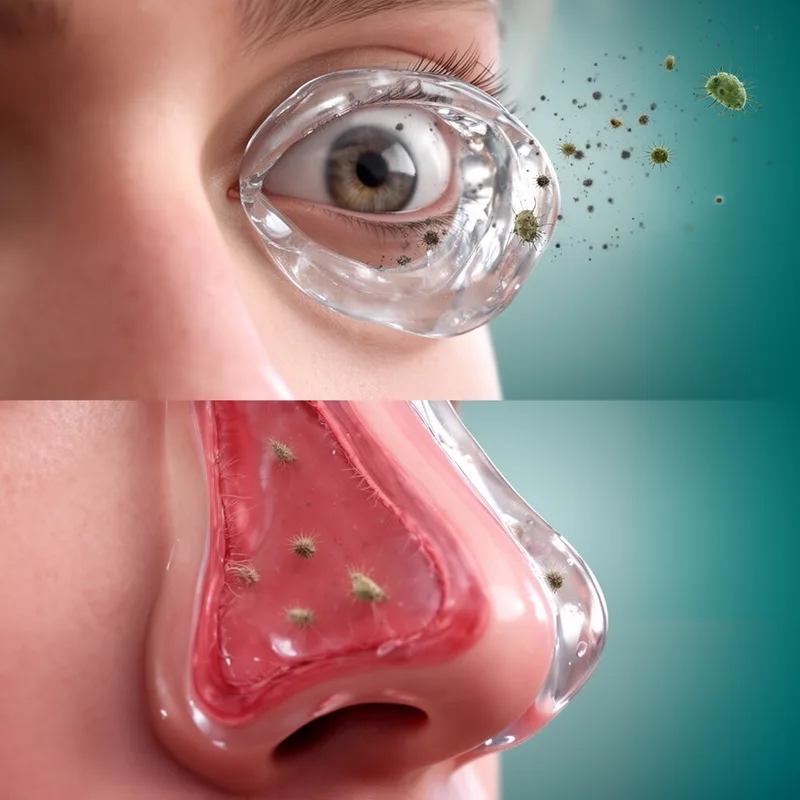
In the intestines, mucin forms a gel-like layer that protects the gut lining from irritation.
-
The submandibular gland secretes a mixture of serous and mucin.
Academic text (1999) -
So I'm definitely in my snail mucin era and I'm all about it.
-
Ampules are super concentrated and I love using this because it has snail mucin in it.
-
It's a snail mucin, which is a protein in snail mucus.
-
More common, however, are edema, extensive mucin deposition, and slight sclerosis.
Academic text (2007) -
As the amount of ptyalin decreases and mucin increases, saliva can become thick and viscous and present problems for the elderly.
Academic text (1999) -
The control and GABA+HS groups showed greater numbers of goblet cells, and mucin secreted by the goblet cells also seemed to form an effective mechanical barrier.
Academic text (2015) -
MUC5B encodes a mucin-5B precursor protein that contributes to airway mucous production and might have an important role in lung host defense.
Academic text (2016) -
The protective barrier of the stomach is largely composed of mucin, which helps prevent damage from gastric acids.
Surface Forms
Morphology
Etymology
The word mucin comes from mucus, a Latin word meaning 'slime', plus the ending -in that names proteins. So mucin is the slimy protein in mucus that helps lubricate and protect body surfaces.

