
mucic acid
- noun
- /ˈmjuːsɪk ˈæsɪd/
- Specialized
- Researchers isolated mucic acid from the oxidation of galactose in the laboratory.
Examples
-
The chemical properties of mucic acid make it useful in analytical chemistry.
-
The chemist synthesized mucic acid from galactose.
-
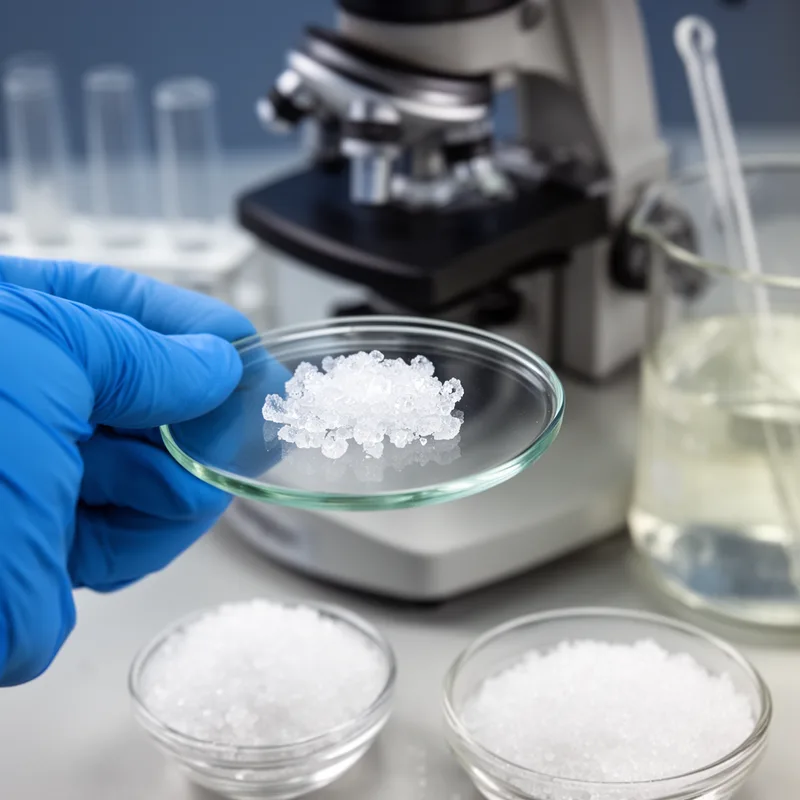
Crystals of mucic acid were observed under the microscope during the experiment.
-
Have you ever studied mucic acid in your chemistry class?
-
Researchers isolated mucic acid from the oxidation of galactose in the laboratory.
-
The chemical properties of mucic acid make it useful in analytical chemistry.
-
Crystals of mucic acid were observed under the microscope during the experiment.
Surface Forms
Morphology
mucic + acid
The phrase follows the productive pattern 'X acid', so a learner who knows the constituents would recognize it as a type or class of acid. However 'mucic' is a technical, non-transparent modifier and the precise chemical sense (a white crystalline acid obtained from galactose) cannot be predicted from the parts, making the full meaning only partly recoverable.
Etymology
Mucic acid may get its name from an old word for 'mucus' or sticky plant juices, because early chemists found similar gooey substances or made the compound from milk sugar that can be thick. That's why mucic suggests a sticky origin, and today mucic acid is the white acid made from galactose or milk sugar used in chemical work.

