
montmorillonite


 1
9.9
- noun
- /mɒntˌmɔːrɪˈloʊnaɪt/
- Specialized
- The sand and silt are composed mainly of quartz, and the clays are composed of clay minerals such as kaolinite, montmorillonite, illite, and vermiculite.
Examples
-
Montmorillonite is associated with most expansive soils.
Academic text (1998) -
Physical chemist A. Graham Cairns-Smith proposed an even more intimate connection between the mineral domain and living matter by suggesting that the first life forms originated from clay minerals, and contemporary research has confirmed that clays, such as montmorillonite, may have been key to biogenesis.
Blog text (17) -
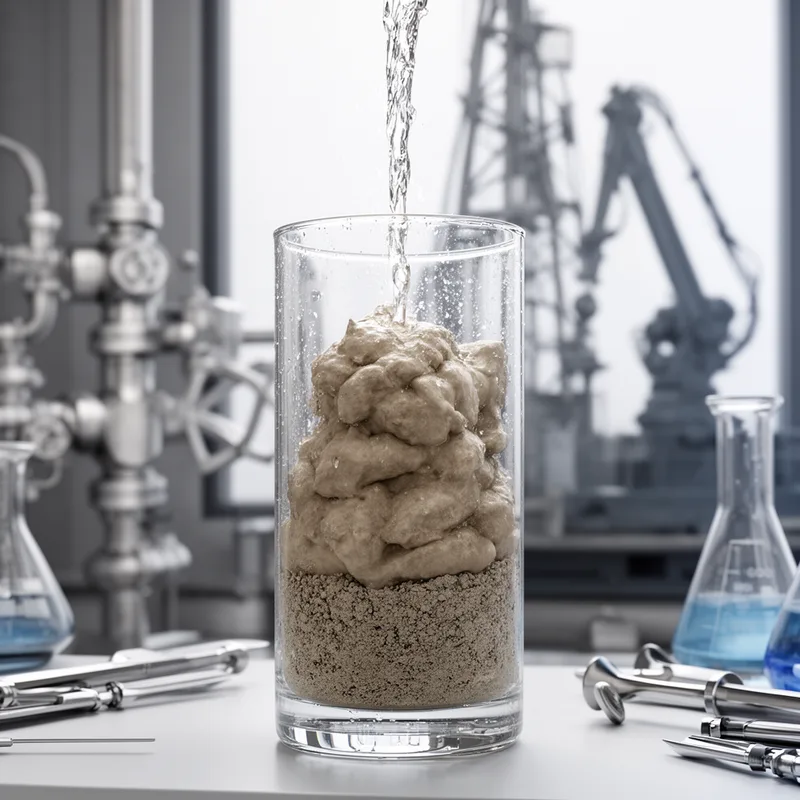
The clay is montmorillonite, known for its ability to absorb water in various industrial applications.
-
The unique properties of montmorillonite make it essential in the formulation of drilling fluids.
-
In laboratory experiments, montmorillonite is commonly used to test the adsorption of organic compounds.
Synonyms
 1
9.2
A type of clay that soaks up water and gets bigger
Surface Forms
Morphology
montmorillonite = Montmorillon (opaque) = montmorillon + ite
The word is formed from a place name plus the mineral-forming suffix '-ite', so knowing the place name does not let a learner infer 'a swelling clay mineral'.
Etymology
Montmorillonite comes from the name of the French town Montmorillon, where this clay was first studied, and the ending -ite marks a 'mineral', as in graphite. So, montmorillonite is the name for a soft, swelling clay mineral that is known for absorbing water.