
mononeuropathy
- noun
- /ˌmɒnoʊnjʊˈrɒpəθi/
- Specialized
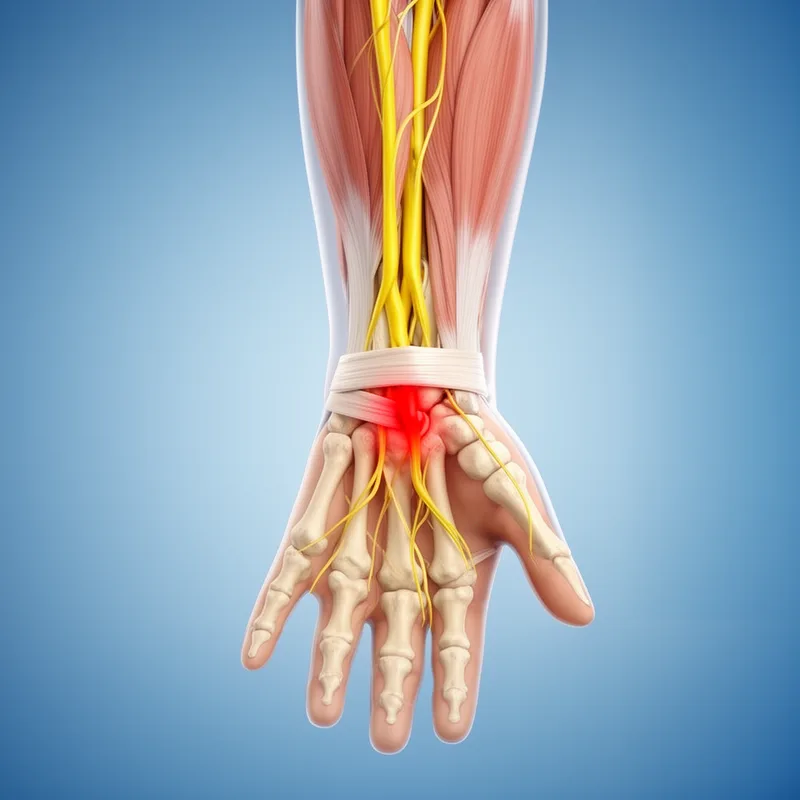
- The doctor diagnosed her with a rare form of mononeuropathy affecting her left hand.
Examples
-
He experienced weakness in his foot, which was attributed to mononeuropathy caused by diabetes.
-
Findings on laryngeal EMG were essentially normal, except for the detection of a few large-amplitude motor units within the left thyroarytenoid muscle that were not consistent with a focal laryngeal mononeuropathy.
Academic text (2006) -
The patient's symptoms indicated the presence of mononeuropathy, leading to further neurological evaluation.
Synonyms

 7
7.7
7
7.7

A problem with the nerves in the hands and feet that causes numbness, weakness or pain
Compounds

- Specialized
A condition where several single nerves in different body parts stop working
How Many Nerves
- Specialized

 1
9.5
1
9.5

- Specialized
Surface Forms
Morphology
mononeuropathy = neuropathy (transparent) = mono + neuro + pathy
The word is built regularly from mono- meaning 'one' plus neuropathy, so the sense 'affecting a single nerve' follows directly.
Etymology
Mononeuropathy comes from three parts: mono- ('one'), neuro- ('nerve'), and -pathy ('disease'). So mononeuropathy means a 'disease of one nerve', which is why we use it for a problem that affects a single nerve.