
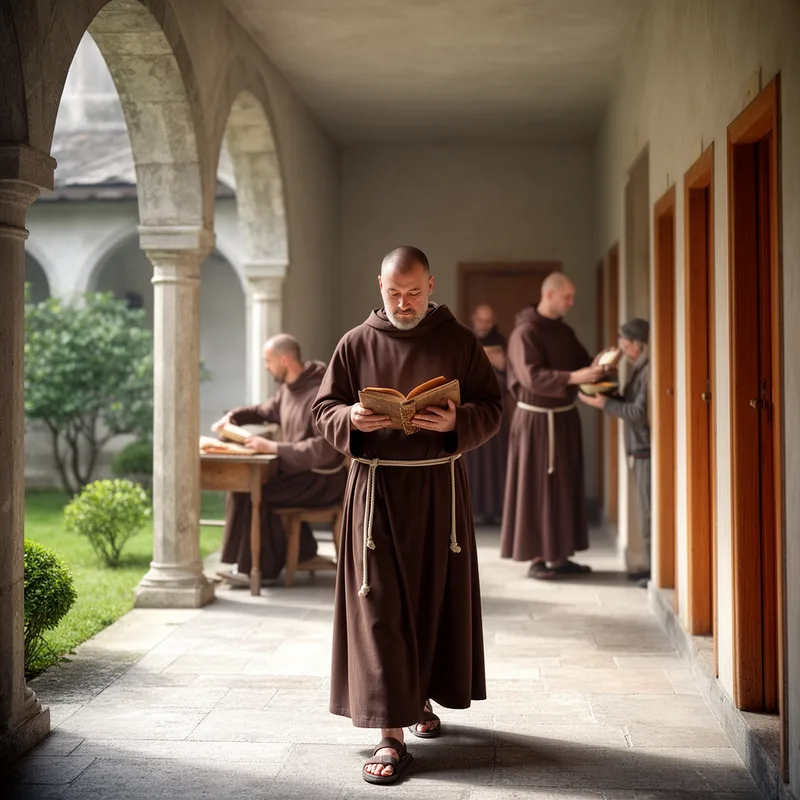
monkhood


 1
8.1
- noun
- /ˈmʌŋkˌhʊd/
- Some of the officials who are ethnic Chinese have entered the Thai-Buddhist monkhood and consider themselves Theravada Buddhists.
Loading YouTube…
Watch on YouTubeAnd I really realized that when I left the monkhood, because Even so much of my identity is had become wrapped in being a monk.
- And I really realized that when I left the monkhood, because Even so much of my identity is had become wrapped in being a monk.
Examples
-
The Thai-Buddhist monkhood holds an important place in the national culture and traditions.
-
After years of dedicated service, he decided to leave monkhood to pursue a different path in life.
-
And I really realized that when I left the monkhood, because Even so much of my identity is had become wrapped in being a monk.
-
I imagined a sort of monkhood, a cloistering that would have as its infinite cult object my mind, my brain, the nerves of my body.
Fiction book (1994) -
On the other hand: hasn't priesthood (and monkhood, etc.) always been on average about career?
Blog text (2) -
Many young men are choosing to explore monkhood as a way to seek inner peace and spirituality.
Synonyms
 2
9.1
A religious life where people live simply, often in a community and follow strict rules
Surface Forms
Morphology
Etymology
The word monkhood comes from monk, which goes back to Greek monos meaning 'alone', and the ending -hood meaning 'state' or 'group', like in childhood. So monkhood is the state of being a monk or the group of monks.