

mistflower
- noun
- /ˈmɪstˌflaʊər/
- Specialized
- In late summer, the garden was filled with blue flowers, especially the striking mistflower that attracts butterflies.
Examples
-
The mistflower is native to the southeastern United States and is known for its vibrant blue blooms.
-
During our hike, we spotted a variety of wildflowers, including the beautiful mistflower flourishing near the pond.
-
The length of soil she had cleared from the lawn lay planted with infant mistflower, goldenrod, coleus, and impatiens.
Fiction book (1997) -
Its vegetation consists of moisture-loving plants, among them dark green bulrush, inland sea oats, grass-leaved goldenrod, and mistflower.
Academic text (1995)
Synonyms

A plant that lives for many years with large bright blue flower clusters that attract butterflies

A flowering plant with clusters of bright blue flowers that attract bees and butterflies

A plant that spreads through underground roots and has bright blue flowers in late summer
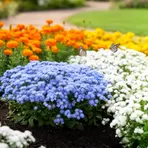
A garden plant with small blue or white flowers
Surface Forms
Morphology
Etymology
The word mistflower comes from the simple English parts mist and flower, because the plant's many small blue blooms look like a soft 'mist' or 'cloud' of color; mistflower therefore names a plant with pale blue, cloud-like flower heads.

