

milling
 7
8.8
7
8.8

- noun
- /ˈmɪlɪŋ/
- Specialized
 :
muesca
:
muesca
- The milling on the edge of the coin helps to prevent counterfeiting.
- milling machine
- milling operation
- milling process
Examples
-
He examined the milling around the coin to ensure it was authentic.
-
Collectors often appreciate the intricate milling designs that add value to a coin.
-
Despite slow population growth, the young village by 1870 was already an established milling center.
Academic text (2001) -
Meanwhile, more efficient lumber and paper milling is already carving more value from the trees we cut.
Academic text (2000) -
The preacher, Mad Lorenzo Dow, announced to the milling throng that he had the latest news from hell.
Academic text (1994) -
Andy strides out onto the deck, through the milling tourists, flanked by Marcel and Amy.
Fiction book (1997) -
Ned enters the cavernous marble rotunda, turns down a hallway crowded with milling attorneys and defendants.
Fiction book (1993)
Compounds

- Specialized
1
5.6
A tool with a spinning cutter that cuts and shapes metal and other hard materials
- Specialized
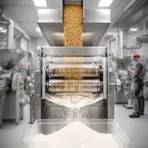
Machines that grind or crush materials like grain into smaller pieces
Surface Forms
Morphology
Etymology
Milling comes from mill, a machine that 'grinds' or 'cuts', because coin edges were made by machines that left small ridges like the teeth of a mill. So, milling is the ridged edge on a coin that made it hard to shave off metal or make fake coins.