
microspore


 1
9.9
1
9.9
- noun
- /ˈmaɪkroʊspɔr/
- Specialized
- Scientists study microspores to understand their role in plant reproduction.
- nucleate microspores
- microspore culture
Examples
-
In the latter case, two demonstrably rare events must occur simultaneously -- both a polyploid microspore and a polyploid megaspore must be formed to produce the egg and sperm that are necessary to initiate a new sporophyte (Figure 4).
Academic text (2002) -
The plant produces microspores that eventually develop into male gametophytes.
-
Microspores, on the other hand, have been largely neglected in taxonomic schemes until recently.
Blog text (27) -
The floral buds ranging from 13-15 mm in size have a higher percentage of uninucleate microspores compared with other sizes.
Academic text (2015) -
Haploids can be regenerated from anther or microspore explants, and the genome can be doubled using genome doubling agents like colchicine.
Academic text (2015) -
In the anthers, male microspores undergo an initial asymmetric mitotic division, and the smaller generative cell migrates into the larger vegetative cell.
Academic text (2018) -
I. iapygia has probably evolved gradually as a result of spatial isolation and low genetic exchange with congeners due to the low dispersal ability of macro- and microspores.
Blog text (27) -
Slides were observed under the Nikon Optiphot Fluorescence Microscope at 40x for the uninucleate stage of the microspores (Summers et al., 1992).
Academic text (2015) -
During the pollination process, microspores are essential for fertilizing the ovules.
Synonyms
 68
6.7
68
6.7
A very small thing made by some plants and fungi that can grow into a new plant or fungus
How Big

Surface Forms
Morphology
Etymology
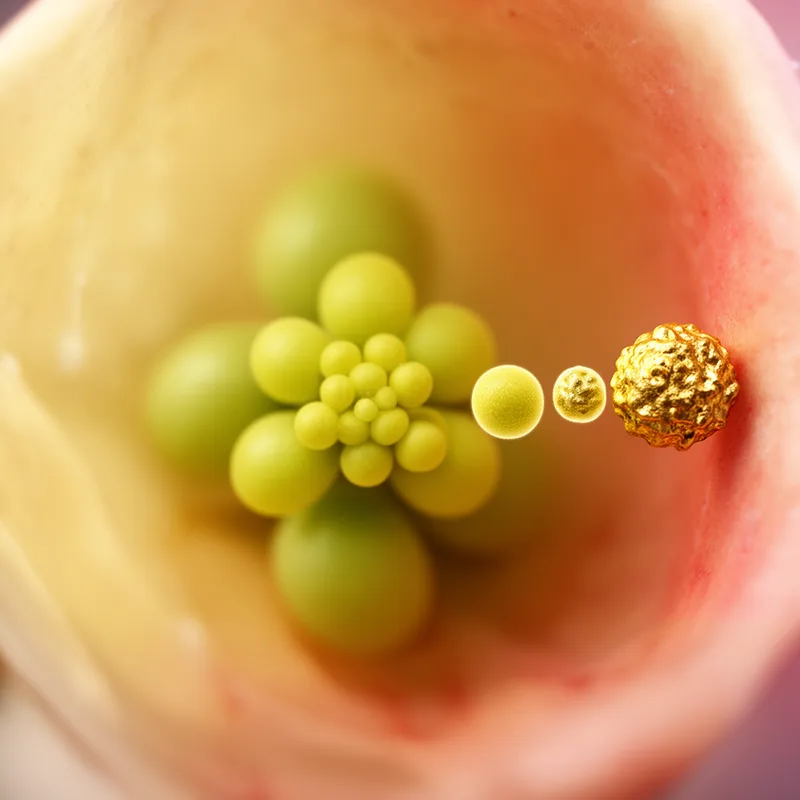
Microspore comes from micro- meaning 'small' and spore meaning 'a seed-like cell that can grow into a new plant stage'. So a microspore is the small spore that usually develops into the pollen or the male part of some plants.