
methylmercury
 1
9.8

- noun
- /ˌmɛθəlˈmɜrkjʊri/
- Specialized
- Typically, higher methylmercury levels in fish tissue are found in more acidic waters.
- methylmercury exposure
- methylmercury concentration
- methylmercury poisoning
Examples
-
Forty-one states now advise anglers to limit wild fish consumption because of contamination by methylmercury.
Academic text (2002) -
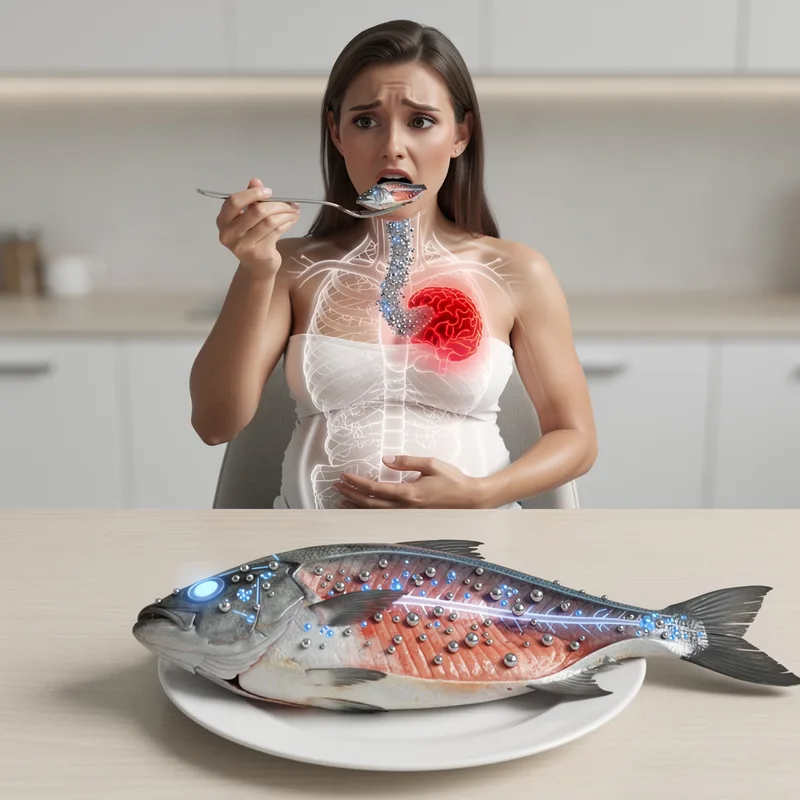
Pregnant women are often advised to avoid fish high in methylmercury to protect their unborn children.
-
Nearly all human exposures to one type, methylmercury, come from fish.
Blog text (7) -
A study of children in the Seychelles Islands found no association between methylmercury and a broad variety of health effects.
Academic text (2002) -
Marine mammals are exposed to methylmercury through their prey (particularly fish).
Academic text (2000) -
The first documented widespread human methylmercury poisoning occurred in Minamata, Japan, between 1953 and 1960.
Blog text (19) -
A study published in Environmental Science & Technology concludes that methylmercury principally accumulates in phytoplankton as it takes up uncharged chloride complexes.
Academic text (2002) -
Eating large amounts of fish contaminated with methylmercury can expose people to serious health risks.
-
Studies show that methylmercury accumulates in fish and poses a danger to those who consume them.
Synonyms

 1
9.9
A substance with mercury joined to organic parts, like some pesticides
How Toxic
- Specialized
1
9.8
 1
5.9
Surface Forms
Morphology
Etymology
Methylmercury is made of two parts: methyl, a 'small carbon-and-hydrogen piece' used in chemistry, and mercury, the 'liquid metal'. So methylmercury is literally a form of mercury with that small part attached, which is why it can build up in fish and be very poisonous.