
metaphysis


 1
9.9
- noun
- /məˈtæfɪsɪs/
- Specialized
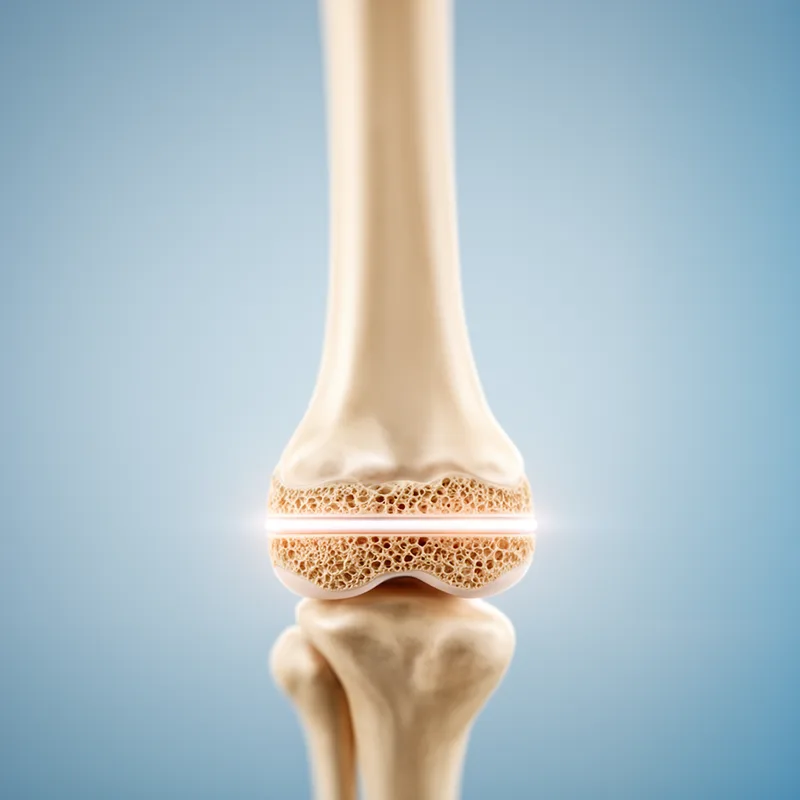
- The major anatomic regions of a growing bone include the epiphysis, physis (growth plate), metaphysis, and diaphysis (Figure 2).
- metaphysis into the physis
Examples
-
Doctors pay special attention to injuries involving the metaphysis during pediatric examinations.
-
The most common site of fracture was the distal metaphysis of the tibia.
Academic text (2006) -
The metaphysis is a point of decreased strength in the bone and is a frequent site of buckle fractures in children.
Academic text (2006) -
A Salter-Harris Type II (metaphysis into the physis) pattern is the most frequent type of physeal injury of the distal radius.
Academic text (2006) -
Type II fractures (metaphysis into the physis) are the most common and represent approximately 50% of all growth-plate fractures in children (Peterson, 1996) (Figure 4).
Academic text (2006) -
Because it is a SH type IV pattern, the fracture occurs at the distal tibia through the metaphysis, into the physis, and out through the epiphysis.
Academic text (2006) -
In young children, the thin cortex surrounding the cancellous bone of the metaphysis may merely buckle and is called a buckle or torus fracture (see Figure 7).
Academic text (2002) -
In children, fractures often occur at the metaphysis, where the bone is still growing.
-
The metaphysis is crucial for bone growth, as it connects the epiphysis and diaphysis.
Surface Forms
Morphology
Etymology
The word metaphysis comes from the Greek parts meta- meaning 'between' and physis meaning 'growth' or 'nature', similar to the root in physical. So the metaphysis is the 'between-growth' part of a long bone, the area between the shaft and the end where new bone grows.