

mestizo
 3
8.2
3
8.2

- noun
- /mɛsˈtiːzoʊ/
- Among contemporary indigenous people and mestizos, the Virgin is a symbol of faith and identity, which offers support and protection.
- mestizo population
- mestizo majority
- mestizo people
Examples
-
Consequently, the Veracruz Teeneks live both in constant contact with and cut off from mestizo society.
Academic text (2008) -
In practice, the basketball courts in Managua's Luis Alfonso Park are segregated: mestizos play separately from Atlantic Coast blacks.
Academic text (1991) -
During this search, the mestizo was invented as a national symbol.
Academic text (1999) -
The categories with which they divide the mestizo world are for them universal frames of experience.
Academic text (1991) -
Most prominent is the Virgin of Guadalupe, who personifies Mexican identity and mestizo culture.
Academic text (2008) -
Medicines alleviate symptoms of greater problems created by indigenous people's land loss to mestizo colonists.
Academic text (1996) -
Present-day Teenek villages are scattered around the mestizo town of Tantoyuca.
Academic text (2008) -
The works of Rudolfo Anaya center around the concept of Aztlan and the affirmations of a mestizo heritage.
Academic text (1990) -
The arrival of mestizos and Maya from the Yucatan had both demographic and economic significance for the colony.
Academic text (1997) -
The majority of us are mestizo, meaning descendants of Spanish and indigenous peoples.
Synonyms
 1
9.9
1
9.9
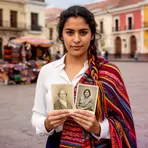
A woman with both European and Indigenous ancestry in Latin America

 1
9.9
1
9.9
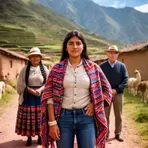
A person of mixed native and European background in the Andes
Surface Forms
Etymology
The word mestizo comes from Spanish and originally means 'mixed', and it is related to the simple English word mix. In Latin America a mestizo refers to a person with both European and Native American ancestors, so the origin explains why the word today means someone of mixed heritage.