
mercaptan


 1
9.3
- noun
- /mɜrˈkæptən/
- Specialized
- This process is a simple, economical, and reliable method for hydrogen sulfide, light mercaptan, and other sulfur contaminant removal in a wide variety of gas or vapor applications.
- mercaptan and hydrogen sulfide
Examples
-
Hypermethioninaemia has persisted, and the child has an unpleasant odour with high blood concentrations of mercaptans (patient 3 in ref 19).
Academic text (1991) -
Mercaptan concentration is typically very low in lime-stabilized biosolids that are properly mixed and stabilized.
Academic text (2001) -
At midnight, the fog blew in thick from the harbor, smelling of oil, mercaptan, and ammonia.
Fiction book (1992) -
Prospectors had also discovered iron and copper pyrites, galantine, sulfonic acids, salts, and more varieties of mercaptan than the chemists could classify.
Fiction book (2000) -
Utilities are required to add more mercaptan so people can tell when it's leaking.
-
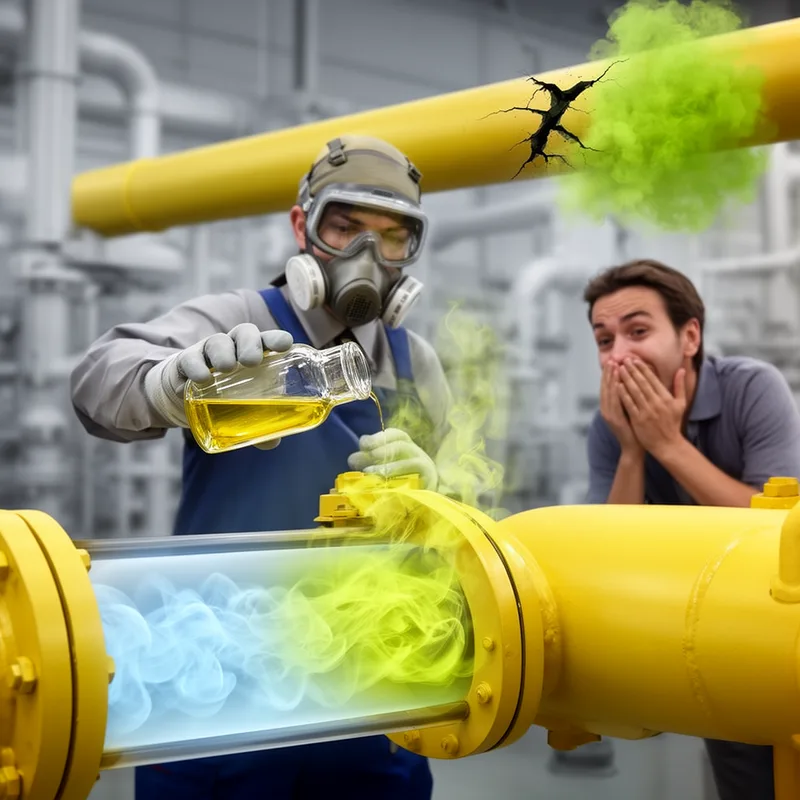
Some gas naturally contains a small amount of mercaptan, the chemical that gives gas its distinctive rotten egg smell.
-
The strong smell actually came from a chemical called mercaptan, which is added to the odorless gas so that people know when there is a leak.
Synonyms
 1
8.3
A chemical with a sulfur and hydrogen group that often smells strong
Surface Forms
Etymology
Mercaptan comes from Latin parts mercurium ('mercury') and captans ('capturing') because these sulfur chemicals strongly 'grab' mercury and other metals. So, the name fits: mercaptans are sulfur chemicals known for a very strong, bad smell and are added to natural gas so people can smell leaks.