
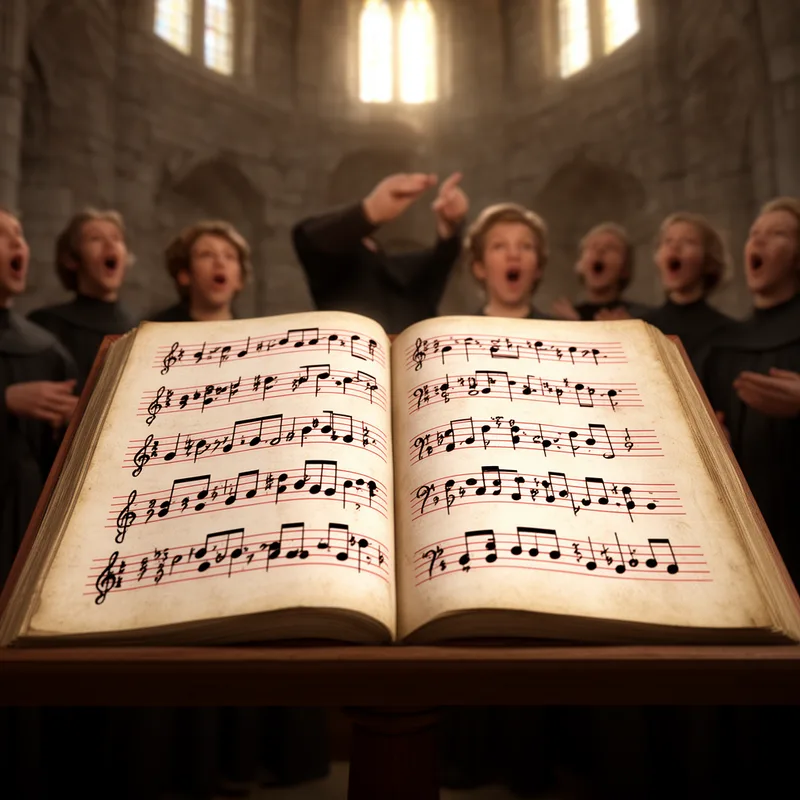
mensural
- adjective
- /ˈmɛnʒərəl/
- Specialized
- The mensural notation used in medieval music specifies exact rhythmic values for each note.
Examples
-
Composers of the Renaissance period often used mensural notation to ensure precise timing in their works.
-
The rhythm notation system that has developed over the centuries is the product of many factors, including the transition from mensural to modern notation.
Academic text (2015) -
In a music history class, we studied how mensural notation influenced the structure of compositions.
Synonyms

 1
3.9
1
3.9

Happening with a steady, regular beat like music or movement
 1
6.7
1
6.7
Having a regular rhythm of syllables in poetry or music

Music with notes that have fixed time values

Music with a regular steady beat like a march
Surface Forms
Morphology
mensural = mensur + al
Although the word contains the adjectival suffix -al, the root mensur- is a learned classical form that is not a recognizable modern English base for most learners, so the meaning is not easily recoverable from the parts.
Etymology
The word mensural comes from the Latin mensura, which means 'measure', and is related to the English word measure. That's why mensural music describes music where the lengths of notes are clearly 'measured' or fixed.